🍪 Xbox flirts with AI, UK actors fight contracts, Horses banned again, Tencent vs Sony, and Marathon’s art truce

Hello there, game industry watchdogs, AI-tired but still paying attention. Today we’re looking at Microsoft nudging AI deeper into Game Pass, UK game actors fighting messy contracts and AI clauses, an indie horror game getting bounced from yet another store, Tencent slowing down a “Horizon clone” under legal fire, and Bungie quietly resolving a stolen art scandal. Kiki and Chip are, as always, your guides through the chaos.
🎮 Xbox tests the waters for AI inside Game Pass
Microsoft is polling Game Pass users about five possible AI features: in-game assistance, post-game performance analysis, voice mode for Copilot, personalised recommendations, and game/account insights like achievements and subscription status. The survey shows they’re not asking if AI should be in Xbox, but how they should slip it into the subscription.
📢 “Whether it’s a popular move or not, Microsoft is putting a big focus on the power of AI… it’s very unlikely they’re going to stop there.”
🦊 Kiki: Nobody asked for “AI everywhere,” people asked for better libraries, curation, and store UX. But some of these ideas aren’t evil on their own: performance breakdowns, smarter recs, even voice shortcuts can be useful if they’re transparent, optional, and not used to shove more engagement metrics down your throat. The real test will be whether Xbox builds tools that respect player control, or just another telemetry funnel dressed up as “help.”
🍪 Chip floats over the survey checkbox for “None of these,” hovering there a little longer than necessary.
🎭 UK game actors are stuck in contract hell
While SAG-AFTRA’s strike in the US forced real movement on pay scales and AI clauses, UK actors are still dealing with weak protections, non-standard rates, and contracts that quietly try to grab AI training rights. Equity only published recommended minimum rates for game work in 2024, and there’s still no binding collective agreement, so vendors can undercut each other by pushing lower fees to win contracts. Meanwhile, some offers dangle around £20 extra per hour if actors allow AI training on their voices – a tiny premium for something that can be used in perpetuity.
Actors like Jane Perry, Alix Wilton Regan, Devora Wilde, and others describe a landscape where AI riders are becoming essential, but contracts still arrive with vague promises instead of clear protections. Many younger actors risk signing away their voices simply because they need the work.
🦊 Kiki: This is the “three C’s” fight: control, clarity, and compensation. UK actors are voicing some of the most iconic characters in modern games, but structurally they’re still treated as disposable. The AI part is just making an already bad setup worse: you can’t call it “choice” when people are broke and the only decent gigs come with rights grabs attached. If studios really “love actors,” they need to stop hiding behind vendors and sign standardised, AI-safe contracts.
🍪 Chip hovers by a contract, scribbling big red circles around the AI clauses and slapping a giant “NOPE” sticker on the signature line.
🐴 Horses banned from Epic at the last minute
Santa Ragione’s first-person horror Horses was already banned from Steam after an early, unfinished build spooked Valve corporation. Now Epic Games has pulled the game 24 hours before launch, despite previously approving it.
Epic’s re-review claimed the game violated content guidelines around abuse, sexual content, and animal abuse, and said its IARC process had produced an Adults Only rating it won’t carry. The studio pushed back, arguing the game doesn’t promote abuse, uses censored and stylised sex scenes, and had already been rated PEGI 18/ESRB M in its own IARC submission. The appeal was rejected by automated email, and now Horses is relying on GOG and Itch.io while Epic (and Steam) want nothing to do with it.
🦊 Kiki: Platform moderation loves the nuclear option. Instead of “this is a heavy, adult game about abuse and power, here’s age-gating and context,” we get “this violates something somewhere, so out it goes.” The message to indies is clear: if your horror tackles real-world trauma in a way that might get headlines, the safest move for big stores is to pretend you don’t exist. That’s not “curation,” it’s risk management dressed as morality.
🍪 Chip stands in a tiny digital storefront window with a handmade sign: “Still on GOG and itch,” shivering in the wind.
⚔️ Tencent slows down Light of Motiram as Sony lawsuit heats up
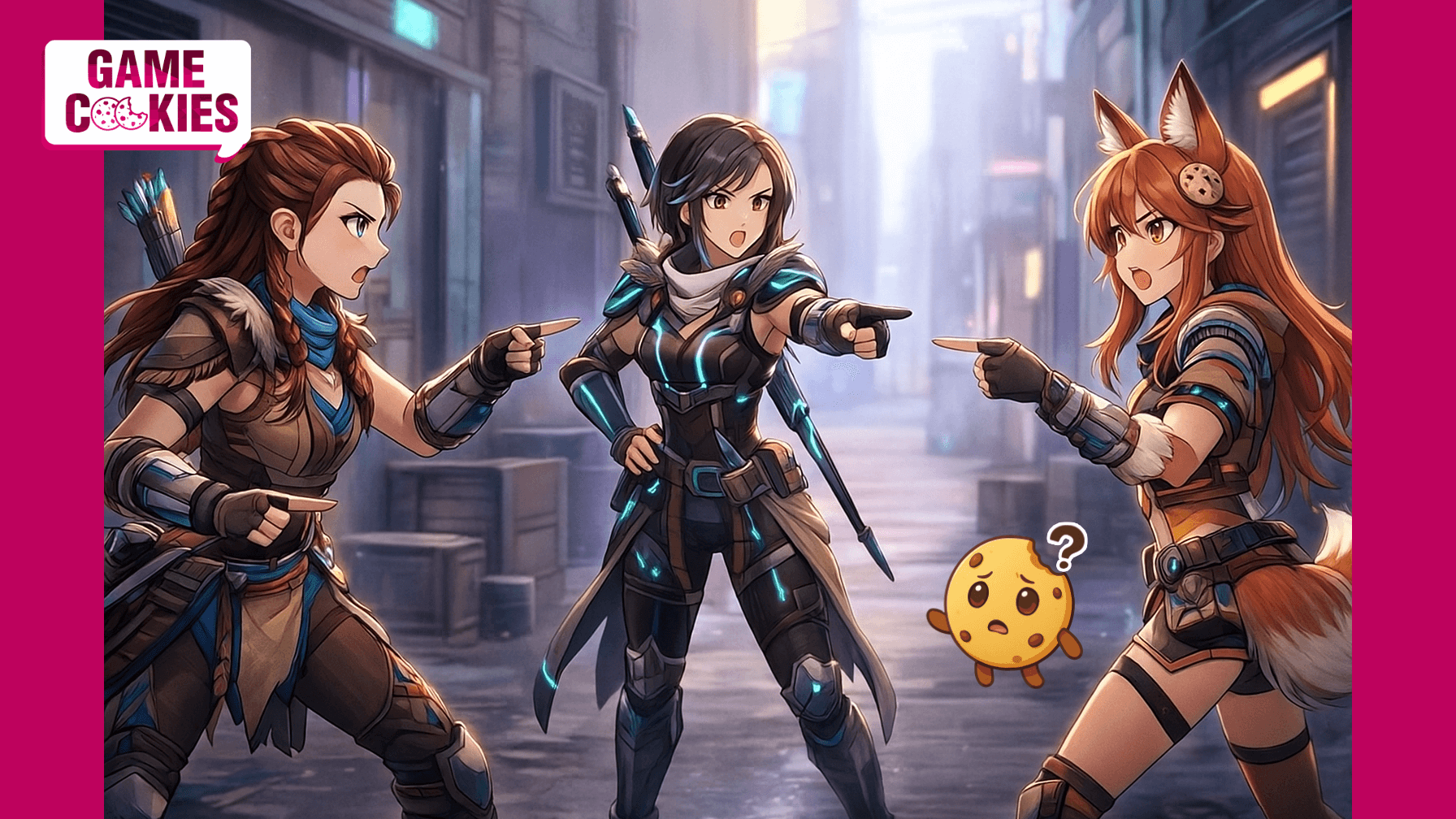
Tencent Games has agreed to halt all marketing and public tests for Light of Motiram while Sony’s copyright lawsuit over alleged Horizon cloning moves toward court. The game, slated for Q4 2027, is accused of ripping off Aloy’s look and confusing players into thinking Tencent’s game is the next entry in the Horizon series, even hiring the same composer used on Forbidden West. Sony argues Tencent copied the “look, sound, characters, and narrative” of the franchise; Tencent claims it’s just using “time-honored” genre tropes.
As part of a proposed order, Tencent agreed not to move the release window earlier, not to run new public tests or promotion during the injunction process, and not to use the delay against Sony’s request for an injunction. The real fight kicks off in court at the end of January 2026.
🦊 Kiki: This case isn’t just “is Aloy copyrighted?”, it’s about how much of a modern blockbuster’s vibe can be locked down. Red-haired archer in a lush post-apocalypse? Common trope. Red-haired archer that’s so close players think your game is the next Horizon? That’s where judges start caring. Tencent pausing all promotion tells you how serious they think the risk is. Whatever the verdict, you can bet big publishers will wave it around in every future “this looks a bit like our game” dispute.
🍪 Chip pauses a trailer frame of Light of Motiram and Horizon side by side, quietly sliding the “similarity” slider up and down with a worried look.
🌀 Marathon’s stolen art problem is “resolved” – but the questions linger
Graphic designer “Antireal” now says the Marathon art issue has been “resolved” with Bungie and Sony to their satisfaction, months after calling out the use of their poster designs, complete with a hidden “Loss” meme, inside the game.
Bungie previously admitted that a former artist had used the unlicensed work, apologised, and promised stricter checks and a full review of in-game assets created by that person. There’s no public info on what the resolution actually involved (settlement, licensing, other terms), and Sony hasn’t commented, but at least the original artist isn’t being told to “lawyer up or shut up”, which is what used to happen in this space.
All of this sits on top of a rough year: layoffs, a delayed release, and reports of low morale inside Bungie, even as Sony says Marathon is still expected to launch within the current fiscal year.
🦊 Kiki: “We got caught, we apologised, we fixed it” is better than nothing, but it’s still reactive. Studios are moving so fast, internal art teams, contractors, AI-adjacent workflows, that asset sourcing is a minefield. If Bungie had proper provenance checks earlier, this doesn’t happen. The worry is that smaller artists with less visibility than Antireal are getting ripped off constantly and never even find out, much less get a fair resolution.
🍪 Chip gently erases a tiny hidden meme from a building texture, then leaves a sticky note: “Credit your artists.”
Stay defiant like the UK actors refusing bad AI clauses.
Keep scrutinising like Santa Ragione, Tencent, and Sony testing the limits of platform power and IP law.
And remember: AI and legal fine print are tools, if we don’t push back, they’ll be pointed at workers and indies, not at problems.
If you’ve got tips, weird contracts, or AI horror stories from inside the industry, send them here. If this edition helped you catch up, share it with a friend or drop it in your studio Slack.
🦁 Leo