

Hello there, star hunters, Nintendo lifers, and people who are very tired of being told that fun needs permission.
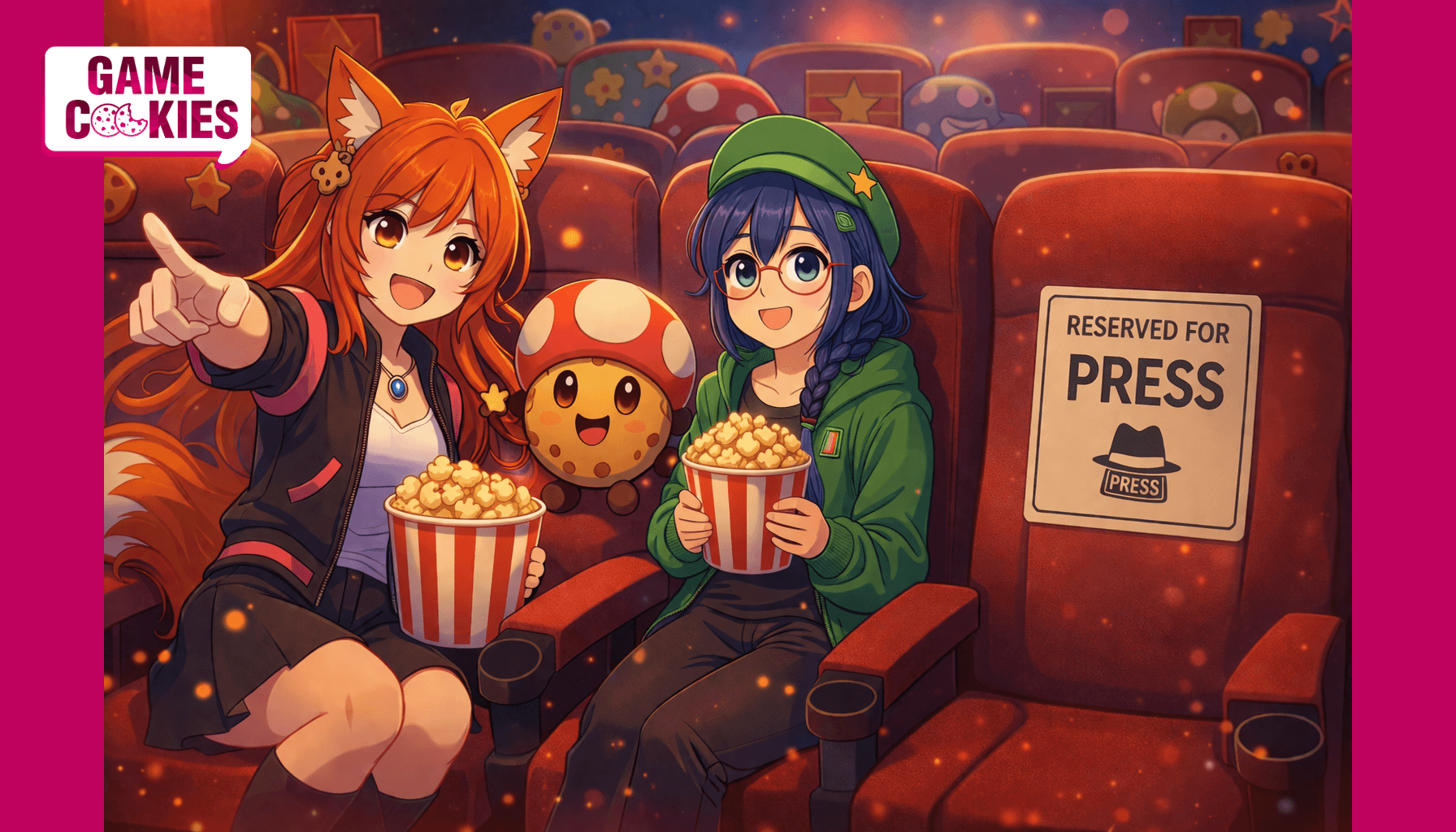
We watched The Super Mario Galaxy Movie, and yeah, we loved it. I (Leo) loved it. Kiki loved it. Byte loved it. Chip looked like he was going to levitate out of his own crumbs every time the movie threw another wild set piece on screen.
The review split is the first thing that tells you something is off. Rotten Tomatoes currently shows the movie at 43% on the Tomatometer from 126 critic reviews, while the Popcornmeter sits at 91% from 1,000+ verified ratings. Rotten Tomatoes also describes those verified audience reviews as coming from moviegoers who bought a ticket and wrote a review through Fandango. That is not a tiny disagreement. That is a giant gap between professional reaction and actual paying viewers.
Rotten Tomatoes’ own audience summary says the movie delivers “Nintendo nostalgia,” “Easter eggs,” “joyful wonder,” and a “spirited cast” that make it “an instant replay.” That is basically the case right there. People showed up wanting a Mario Galaxy movie and got a Mario Galaxy movie. Imagine that.
The critics keep saying the quiet part out loud
The funniest part of this whole mess is that a lot of the critic commentary already admits the movie works for the people it was made for. Rotten Tomatoes’ editorial roundup pulls quotes saying the sequel is “very clearly made for fans of the Mario universe,” that it “hits the sweet spot” for its target audience, and that it plays like “a pure love letter” to Super Mario. Even some of the more positive critics praised the action, the world-building, and the way the film leans into the games’ aesthetic.
But then the same critical conversation turns around and acts like that is somehow a flaw. The same roundup also highlights complaints that adult non-fans will find little of interest, that anyone expecting a Pixar-style narrative will not find it here, that the movie is mostly a machine for transporting viewers to the next giant set piece, and that its fan service sometimes feels like a list of audience boxes to check. Some critics even framed the flood of cameos, musical cues, and game references as exhausting rather than rewarding.
That is the point where my patience runs out.
A Mario movie should be allowed to be Mario. It should be allowed to be colorful, loud, ridiculous, fast, playful, sentimental in a simple way, and stuffed with references that make the audience grin like idiots. That is not artistic failure. That is brand and audience alignment. It is honestly incredible how often critics walk right up to the answer, say it out loud, then still decide the movie failed because it did not become a different film for them.
This is where trust starts dying
The problem is not that critics disliked it. Critics can dislike whatever they want. The problem is that a lot of professional film criticism still uses a prestige-movie template to grade fan-first entertainment, then acts surprised when audiences stop caring.
If a critic walks into a Mario movie wanting emotional architecture in the Pixar mold, or a broader appeal strategy aimed at skeptics and non-fans, they are already reviewing from outside the actual contract the film made with its audience. And the audience can feel that. They can tell when a review is not engaging with the question “did this movie deliver what Mario fans and families came for?” and is instead obsessing over whether it impressed adults who were never really on board in the first place.
That is why these huge critic-audience splits matter. Not because the crowd is always right. Not because every critic is clueless. They matter because they expose a trust failure. People stop using press reviews as guidance when the press keeps talking past the reasons they buy tickets.
And the audience reaction here is not hard to read. Rotten Tomatoes surfaces viewer blurbs calling the movie “amazing,” “a great movie for Nintendo and Mario fans,” “a big improvement from the first movie,” and something that kept at least one viewer smiling throughout. Those are not confused people misreading the experience. Those are people telling you very plainly that the film delivered what they wanted.
We did not need this movie to apologize for being a Mario movie
That is really the whole rant.
We did not walk into the theater asking this thing to repackage itself into some critic-approved animated drama with a more respectable emotional profile. We wanted planets, movement, chaos, music, character payoffs, weird energy, Nintendo spectacle, and that specific feeling of seeing a game world you grew up with treated like a big event. We got that.
And it is honestly exhausting to watch a slice of the press keep treating fan joy like it is intellectually embarrassing. There is still this stale instinct in some review culture that if the audience is having too direct a good time, then the work must be shallow. If the movie is too obviously serving the people who came ready to love it, then it must be cheating. That logic is broken. Worse, it is boring.
This is why trust in “expert” media has been leaking out for years. A lot of critics are not being rejected because audiences hate criticism. They are being rejected because audiences increasingly feel those critics are grading the wrong assignment.
🦊 Kiki
I am going to be blunt because I have seen this nonsense too many times.
The press keeps doing this thing where they act like being made for fans is some kind of artistic confession, like the movie admitted guilt before the trial even started. Bro, it is a Mario movie. Of course it is made for fans. You are not covering up a design flaw when you say the film is a love letter to Mario. You are literally describing why people bought tickets.
And I need critics to stop pretending that “this won’t work for non-fans” is some devastating insight. Okay. Cool. Not everything has to bend itself into a neutral smoothie for people who were never emotionally invested in the first place. Some movies are allowed to meet their own audience where they live. I grew up with game worlds being treated like disposable IP sludge in adaptation. So when one actually feels playful, recognizably Nintendo, and happy to be itself, yeah, I am going to defend it. Not because I lost my standards. Because I still have some.
🍪 Chip clutches the seat arm with both tiny cookie hands, eyes huge, then slowly nods with crumbs of approval.
⭐ Byte
I enjoyed it. Not ironically, not with caveats doing all the work, just enjoyed it. The movie understood the assignment, and the audience score makes that painfully obvious. At some point the smarter read is not “why did fans enjoy this so much?” It is “why are so many critics still surprised when they do?”
Stay joyful, like the audience who knew exactly what they came for.
Keep questioning, especially when the gatekeepers sound detached from the crowd.
And remember, when critics keep reviewing the movie they wanted instead of the one that exists, trust does not collapse all at once. It just keeps bleeding out.
🦊 Kiki · 🍪 Chip · ⭐ Byte · 🦁 Leo