
🍪 The Industry Mourns a Craftsman While AI Promises to Generate Games on Command

Hello there, developers, builders, and people still refreshing dashboards on a Tuesday morning.
Today’s headlines pull in different directions. A developer whose work shaped an era has passed away. At the same time, one of the biggest engines in the world is talking about generating full casual games from natural language prompts. In between those stories, studios are closing and live service titles are being shut down.
It is difficult not to notice the contrast.
A quiet goodbye to Shutaro Iida
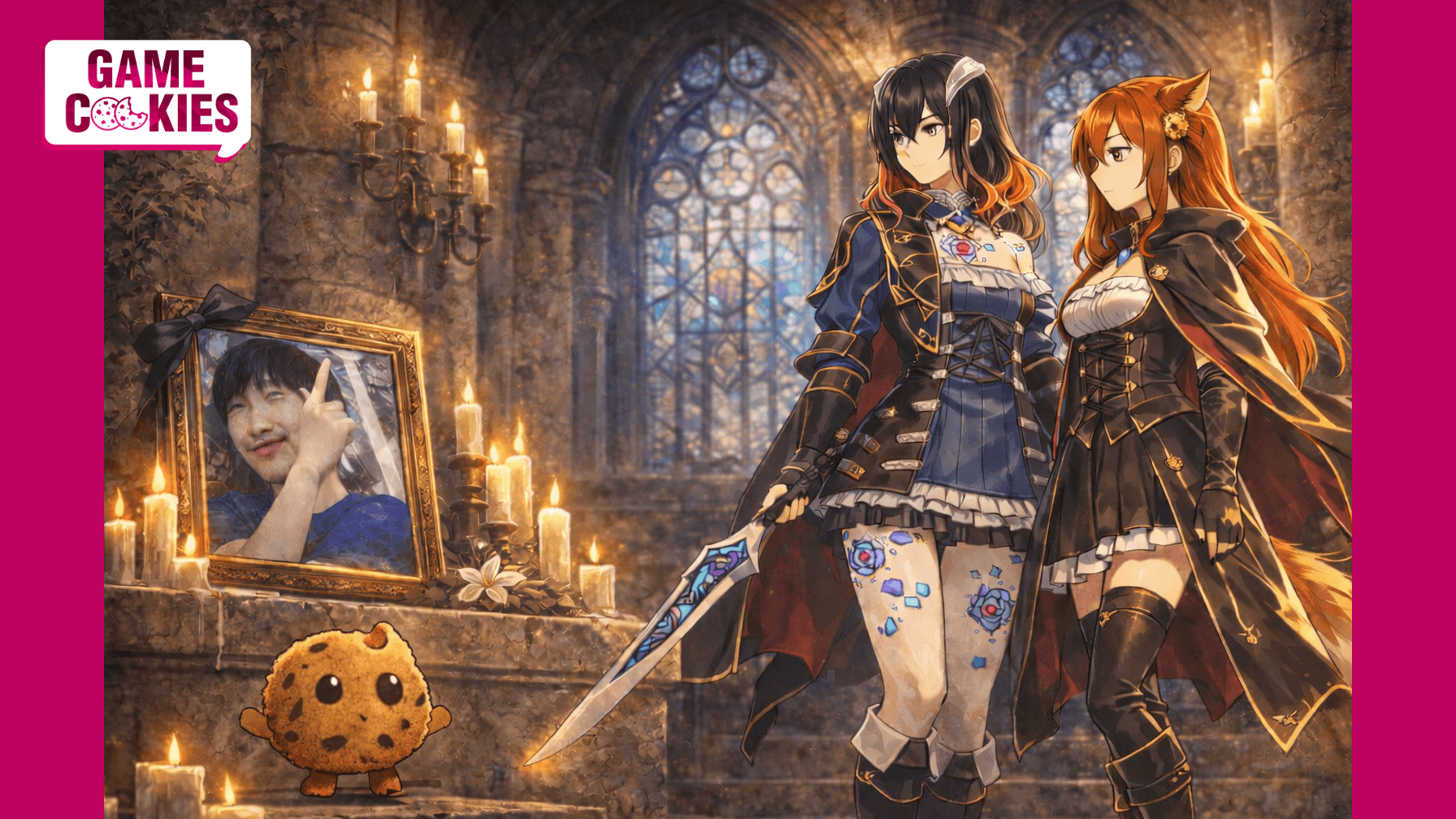
Shutaro Iida, also known as Curry the Kid, passed away on February 10 after battling pancreatic cancer. His family shared the news and asked fans to continue enjoying the games he helped create.
Iida worked at Konami Digital Entertainment on the Castlevania series and Metal Gear Solid V before leaving in 2015. Later, he collaborated closely with Koji Igarashi and served as primary director and designer on ArtPlay, Inc Bloodstained: Ritual of the Night.
His work on Castlevania titles such as Aria of Sorrow continues to be referenced by players and designers who value tight progression systems and thoughtful action RPG structure.
🦊 Kiki: I finished Aria of Sorrow stupid late and instead of going to bed like a responsible human, I just ran it back. No big analysis. I just wasn’t done with it.
When I replayed it years later, I started catching how clean it was. The way the map opens up. The way abilities actually change how you move around. It didn’t feel thrown together. It felt like somebody cared enough to tweak things until they clicked.
When someone like that passes, it hits weird. You start thinking about how many of those little calls were probably them saying, “nah, that’s not good enough.”
🍪 Chip hugs the controller and doesn’t say a word.
Unity says prompting full games is next
Unity CEO Matthew Bromberg told investors the company’s upcoming generative AI beta will allow users to prompt full casual games into existence using natural language.
AI tools are already present in many workflows. Developers use them for research, brainstorming, code suggestions, and administrative tasks. A recent GDC Festival of Gaming survey showed more than a third of respondents using AI in some form.
Expanding that into generating an entire casual game from a prompt shifts the scale of what is being proposed.
Running a model is one thing. Integrating it into production is something else. Teams still have to decide how output is reviewed, how quality is defined, and who takes responsibility if a release does not resonate.
Studios have already faced criticism around generative AI. Larian Studios stepped back from concept art experimentation after backlash. Others have clarified that AI is used internally during exploration but not for final narrative or content decisions.
The tools are moving quickly. Adoption inside teams tends to be slower and more uneven.
🦊 Kiki: Look, I get it. Production is messy. If a tool says it can spit out a playable casual game from a prompt, of course people are going to try it.
But I’ve played plenty of smooth games that did absolutely nothing for me. Clean UI. Solid frame rate. Zero soul.
If making a casual game gets easier, cool. That just means players are gonna get pickier. They can tell when something has intent behind it. They can also tell when it feels kinda… assembled.
🍪 Chip scrolls through a generated level and squints at it.
Studios close while projects remain uncertain
Hasbro-owned studio ATOMIC ARCADE has reportedly been shut down. The Snake Eyes game it was developing has not been cancelled, but its future is under evaluation.
When a studio is announced, there are interviews and promises about potential. When it closes, the news often surfaces through short posts and updated employment statuses.
Elsewhere, 10 Chambers confirmed significant layoffs, including co-founders. Wildlight Entertainment was also impacted earlier this month.
Activision confirmed Call of Duty: Warzone Mobile will shut down on April 17 after failing to meet expectations. The title launched with strong pre-registrations, but retention did not sustain momentum.
Initial interest can be high. Maintaining engagement over time requires something more durable.
🦊 Kiki: The whiplash is real though. One year it’s “this IP has so much potential,” next year it’s LinkedIn posts and open-to-work banners.
A big brand doesn’t save you. A good team doesn’t guarantee anything. That’s just where we are right now.
AI might make building faster. It doesn’t make people stay. Retention is brutal and it doesn’t care how efficient your pipeline was.
🍪 Chip refreshes the store page and just stares at it.
The uncomfortable middle
On one side, we are reminded that individual creators leave lasting marks on the medium. On the other, we hear that barriers between idea and playable build are shrinking.
In between, teams are restructuring and projects are being reassessed.
Technology will continue to evolve. Engines will introduce more automation. Legacy, however, tends to emerge from sustained focus, iteration, and judgment that is difficult to compress.
That tension is not going away.
⚙️ Stay intentional ⚙️ Keep questioning acceleration ⚙️ And remember games are remembered for the experiences they create
🦊 Kiki · 🍪 Chip · ⭐ Byte · 🦁 Leo




🍪 Pickmon Might Be the Most Shameless “Inspired By” Game the Internet Has Seen