

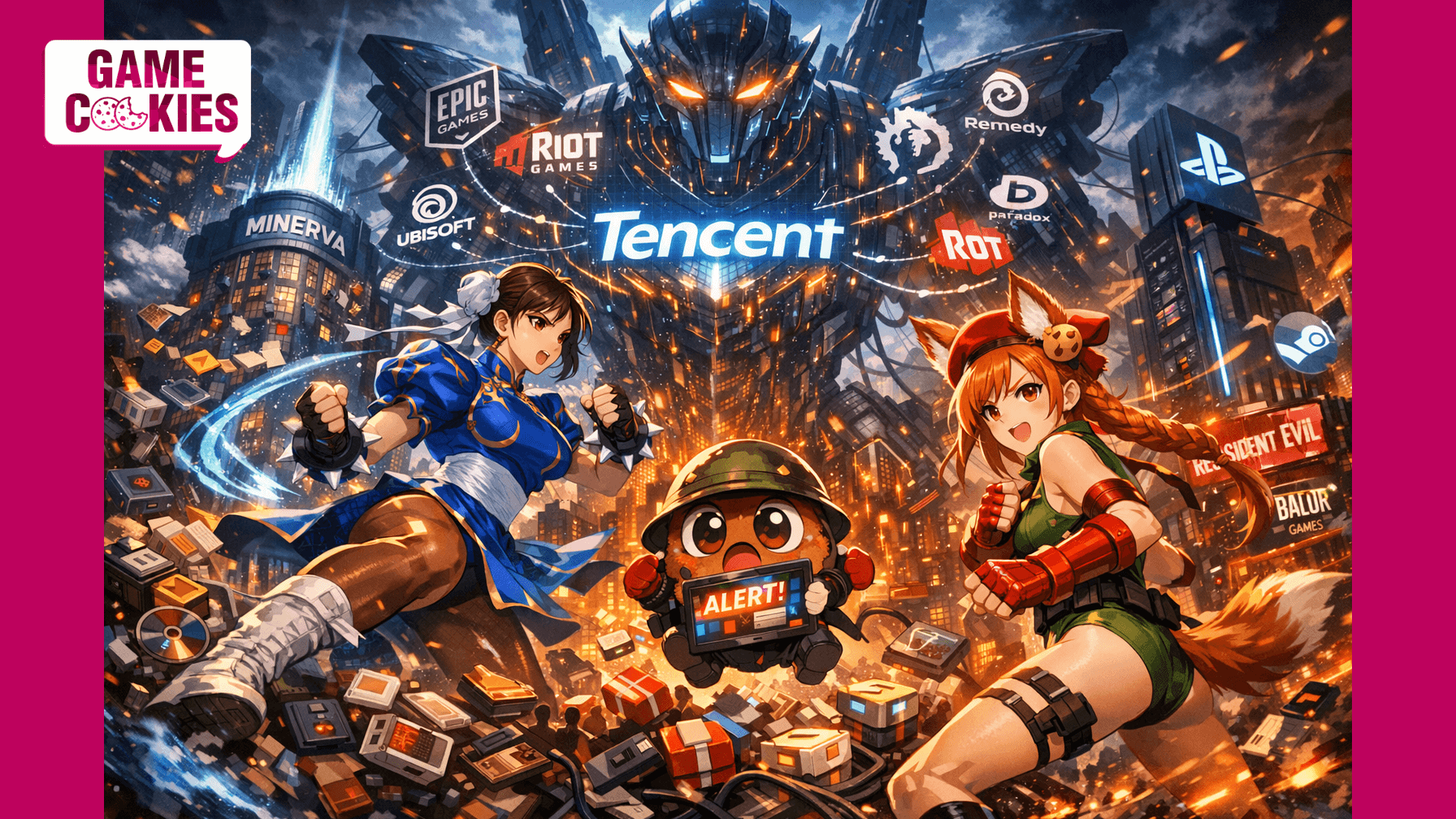
Hello there industry watchdogs, archive keepers, and slightly paranoid console warriors.
Today’s edition moves across three very different pressure points in gaming: geopolitics creeping into ownership of major studios, volunteers scrambling to preserve decades of gaming history before it disappears, and publishers quietly adjusting their strategy about where their games actually live.
Let’s get into it.
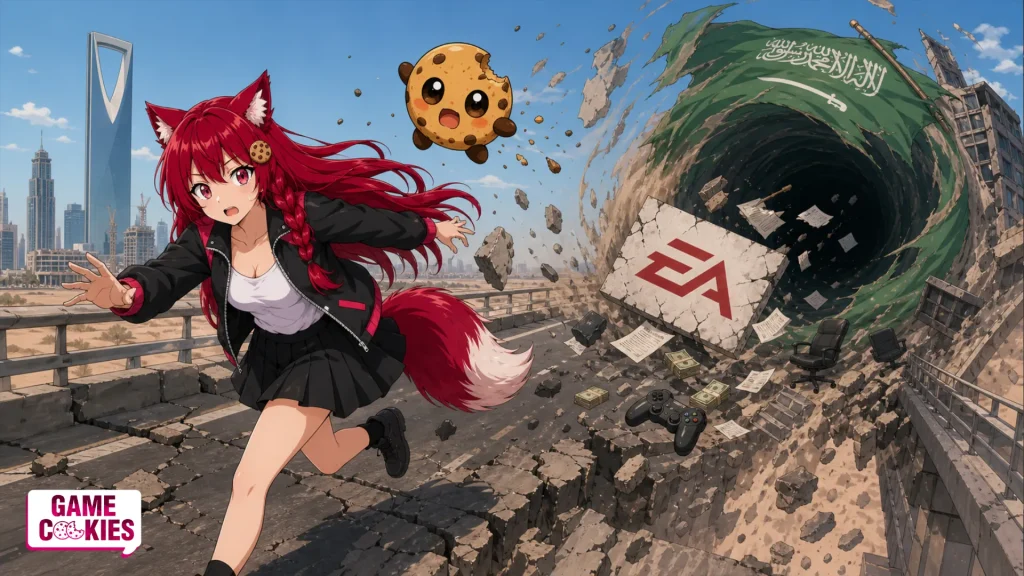
The US Government May Force Tencent to Sell Parts of Its Gaming Empire
The US government is reportedly debating whether Tencent should be forced to divest some of its gaming investments.
According to reporting from the Financial Times, officials in Washington have been discussing whether the Chinese tech giant should be allowed to maintain ownership stakes in major Western gaming companies. The discussion stems from a long-running investigation by the Committee on Foreign Investment in the United States (CFIUS), which started during the Biden administration and is now resurfacing under the Trump administration.
The concern is not really about games themselves. It’s about data.
Officials worry Tencent’s investments could provide access to large pools of user data from millions of American players. Gaming platforms collect huge amounts of behavioral data, social connections, chat logs, and purchasing information, making them potential intelligence targets.
Tencent’s footprint in gaming is massive. The company fully owns Riot Games and Turtle Rock Studios, holds a 28% stake in Epic Games , and maintains investments across companies including Supercell, Ubisoft, Techland, Remedy Entertainment Plc, Paradox Interactive, KRAFTON Inc., and many others.
Some officials previously pushed for forcing Tencent to sell its stakes outright. Others instead pushed for stricter data protection measures around the companies Tencent invests in. The agencies involved have reportedly struggled to reach consensus.
The issue has gained new urgency as the current administration has taken a more aggressive stance toward Chinese corporate ownership. Earlier moves included forcing TikTok to restructure its US operations.
A final decision has not yet been made.
📢 “Concerns over the firm’s gaming investments giving it access to a significant intelligence collection source led some officials to argue Tencent should divest.”
🦊 Kiki: Okay so here’s the weird thing about this conversation. People suddenly acting like games became a geopolitical asset yesterday. Bro… that ship sailed years ago.
I’ve been covering this industry long enough to remember when Tencent buying stakes everywhere was treated like smart business. Everyone was happy to take the checks. Epic, Ubisoft, all these studios. Nobody was worried about “data collection risks” when the funding was flowing.
Now suddenly we’re discovering that maybe a company tied to a different government owning slices of half the Western games industry might raise questions. Yeah… no kidding.
And let’s be honest about the real tension here. This isn’t just about player data. It’s about strategic control of entertainment infrastructure. Games are global culture machines now. Whoever has influence over studios, engines, platforms, and communities ends up shaping a lot more than just game sales.
So this situation feels less like a new problem and more like Washington finally noticing the board has already been set.
🍪 Chip nervously flips through a giant spreadsheet of studio ownership charts, slowly realizing half the boxes connect back to Tencent.
Volunteers Race to Preserve Millions of Games Before Myrient Shuts Down
While governments argue about ownership, another corner of the gaming ecosystem is facing a different crisis: preservation.
ROM distribution site Myrient announced earlier this week that it will shut down at the end of March due to rising costs and lack of funding. The site has operated since 2022 and hosts one of the most extensive collections of archived video game files on the internet.
The operator, known as Alexey, explained that escalating hosting costs and rising storage hardware prices have made the service financially unsustainable. The problem has been worsened by increased infrastructure costs tied to global demand for data center hardware driven by AI.
Myrient reportedly runs at a monthly deficit exceeding $6,000.
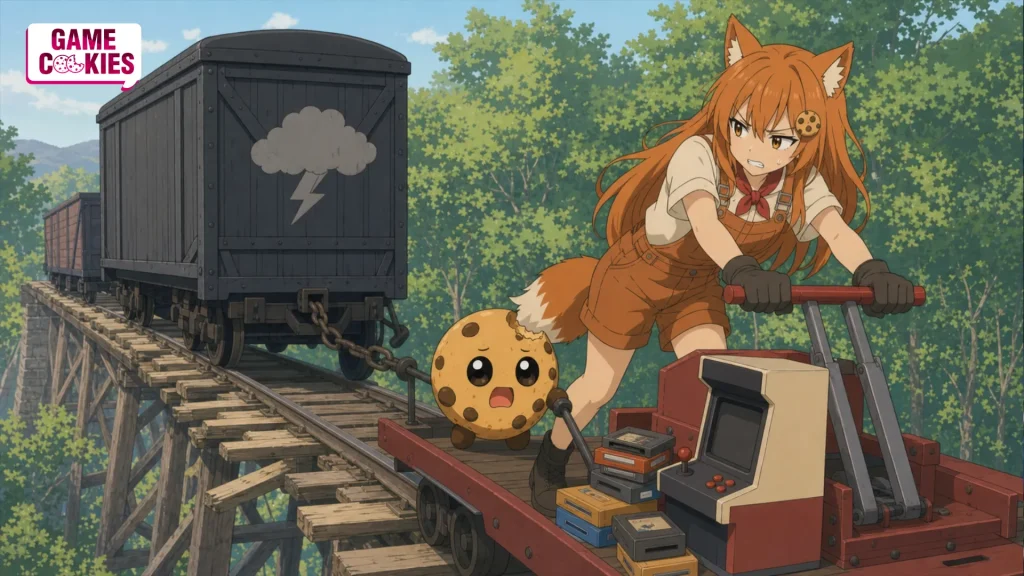
Instead of letting the archive vanish, a decentralized group of volunteers has launched a project called Minerva, with the goal of downloading and preserving every file hosted on the platform before the shutdown.
The operation works like a distributed swarm. Volunteers download pieces of the archive and upload them to shared servers to create mirrored backups.
The scale is enormous.
The project aims to preserve 2.8 million files, representing decades of gaming history. As of now, the team has archived roughly 208,000 files, about 7.3% of the total collection.
📢 “With its impending shutdown, millions of files representing decades of gaming history risk being lost permanently.”
🦊 Kiki: Game preservation is one of those things everyone claims to care about until the bill shows up.
Publishers love celebrating anniversaries. “30 years of gaming history.” “Legacy of the franchise.” All that stuff. But the reality is a huge chunk of that history only survives because random internet nerds are quietly hoarding files on servers.
And now you’re watching it happen in real time. One guy running an archive hits a wall with hosting costs and suddenly millions of files are at risk of disappearing.
What I love about the Minerva effort though is the chaos energy of it. Hundreds of volunteers across the world basically forming a pirate data rescue operation before the lights go out.
It’s messy. It’s legally gray as hell. But if you care about the history of this medium, this kind of grassroots archiving has been doing the real preservation work for decades.
🍪 Chip frantically drags giant folders labeled “1997 RPGs” and “PS2 Weird Experiments” into a backup vault while sweating chocolate chips.
Sony May Be Pulling Back on PlayStation Games Coming to PC
For several years Sony has been slowly bringing its PlayStation exclusives to PC, usually about a year after their console launch. The strategy helped expand audiences and generate additional revenue from existing games.
But that strategy may be changing.
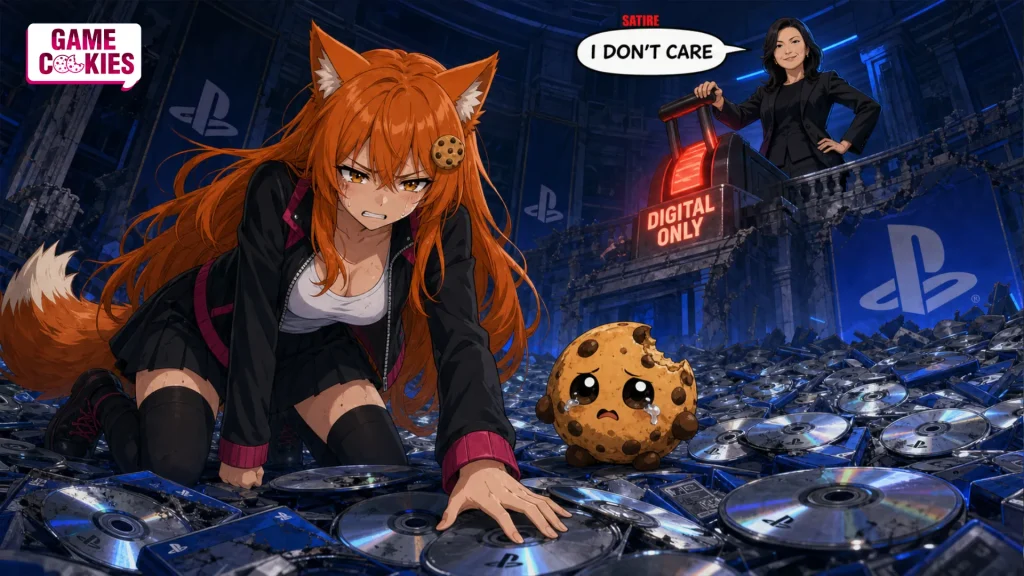
A new report from Bloomberg suggests Sony is reconsidering how aggressively it ports its major single-player titles to PC. According to sources familiar with the company’s thinking, upcoming flagship releases like Ghost of Yotei and Saros may remain exclusive to PlayStation instead of eventually appearing on PC.
The concern inside Sony reportedly centers on brand value.
Some internal voices believe releasing flagship games on PC risks weakening the PlayStation ecosystem by reducing the incentive to buy the console itself.
Multiplayer and live-service games will likely remain multiplatform, since those depend heavily on large player bases. But narrative-driven single-player titles may return to a stricter console-first strategy.
Sony has not officially confirmed the change.
📢 “There’s a faction within PlayStation concerned that releasing games on PC risks damaging the console’s brand.”
🦊 Kiki: I remember when the PC ports started happening and the reaction online was basically celebration. More players get access. Sony gets extra revenue. Everyone wins.
But if you look at it from the console manufacturer perspective… yeah, the logic gets messier.
Those big cinematic single-player games are basically the crown jewels of the PlayStation brand. If you remove the exclusivity pressure, suddenly the console becomes less necessary for a lot of people.
And Sony probably sees what’s happening on the PC side too. Once those games hit Steam, the conversation shifts away from PlayStation entirely. People talk about performance mods, ultrawide support, frame rates. It stops being a “PlayStation experience” and becomes just another PC release.
So this feels like Sony tightening the fence a bit. Not abandoning PC completely, but reminding everyone what the console is supposed to be selling.
🍪 Chip slowly tries to plug a PlayStation controller into a PC tower while Kiki watches with mild suspicion.
Capcom Doubles Down on Cross-Media Strategy with Street Fighter
Capcom believes the upcoming Street Fighter movie could help push Street Fighter 6 even further.
The publisher told investors it plans to align marketing activities for the game with the film’s theatrical release in October. The movie features a mix of actors and wrestling stars including Jason Momoa, Cody Rhodes, and Roman Reigns.
As of December 2025, Street Fighter 6 had already sold 6.36 million copies, making it one of the strongest-performing entries in the franchise.
The strategy reflects a broader industry trend: major game publishers using film and television adaptations as marketing engines that feed back into the games themselves.
Capcom hinted that updates tied to the movie could include cosmetic skins, new characters, or expanded content within the game’s World Tour mode.
📢 “There’s further potential for sales growth beyond the launch of the movie.”
🦊 Kiki: Capcom has quietly become one of the smartest publishers in the industry when it comes to timing.
Resident Evil shows up in movies. Street Fighter gets a new film. Suddenly the games get updates, characters, skins, marketing pushes. Everything feeds into everything else.
The trick is that it only works when the games themselves are already good. You can’t slap a Hollywood tie-in onto a mid game and expect magic.
Street Fighter 6 landed well with players, so now Capcom can use the movie as a second marketing wave instead of trying to rescue a failing launch.
That’s the difference between synergy and desperation.
🍪 Chip shadowboxes in the corner wearing oversized boxing gloves.
Humble Games Returns as Balor Games
In a quieter but interesting industry move, former Humble Games staff have reacquired the publishing label and relaunched it under a new name: Balor Games.
The new company purchased the Humble Games catalog from Ziff Davis and now controls more than 60 titles, including well-known indie hits like Slay the Spire, A Hat in Time, SIGNALIS, and Coral Island.
Balor Games is led by former Humble leadership and positions itself as a publisher focused on what it calls “triple-I” titles: indie games with higher production values but independent creative identity.
Their first announced publishing partnership is SCP: 5K, a tactical horror shooter currently in Early Access.
📢 “Balor Games is built for inventors and backed by believers.”
🦊 Kiki: This one actually feels kind of wholesome for once.
Publishing is brutal for indie studios right now. Funding cycles are tighter, platforms are crowded, and marketing costs have exploded.
So seeing the old Humble leadership regroup and rebuild something new is honestly refreshing. Especially since they already know the catalog and the developers.
Whether “triple-I” becomes a real category or just another buzzword is another question. But the idea behind it makes sense.
There’s a big gap right now between tiny indie experiments and massive AAA productions. If a publisher can help studios sit comfortably in that middle lane, there’s probably room for some great games.
🍪 Chip proudly holds up a tiny indie game trophy almost bigger than his cookie body.
⚙️ Stay strategic inspired by Capcom ⚙️ Keep preserving inspired by the Minerva archivists ⚙️ And remember the games industry runs on technology, politics, and a lot of people quietly trying to save things before they disappear
🦊 Kiki · 🍪 Chip · ⭐ Byte · 🦁 Leo