

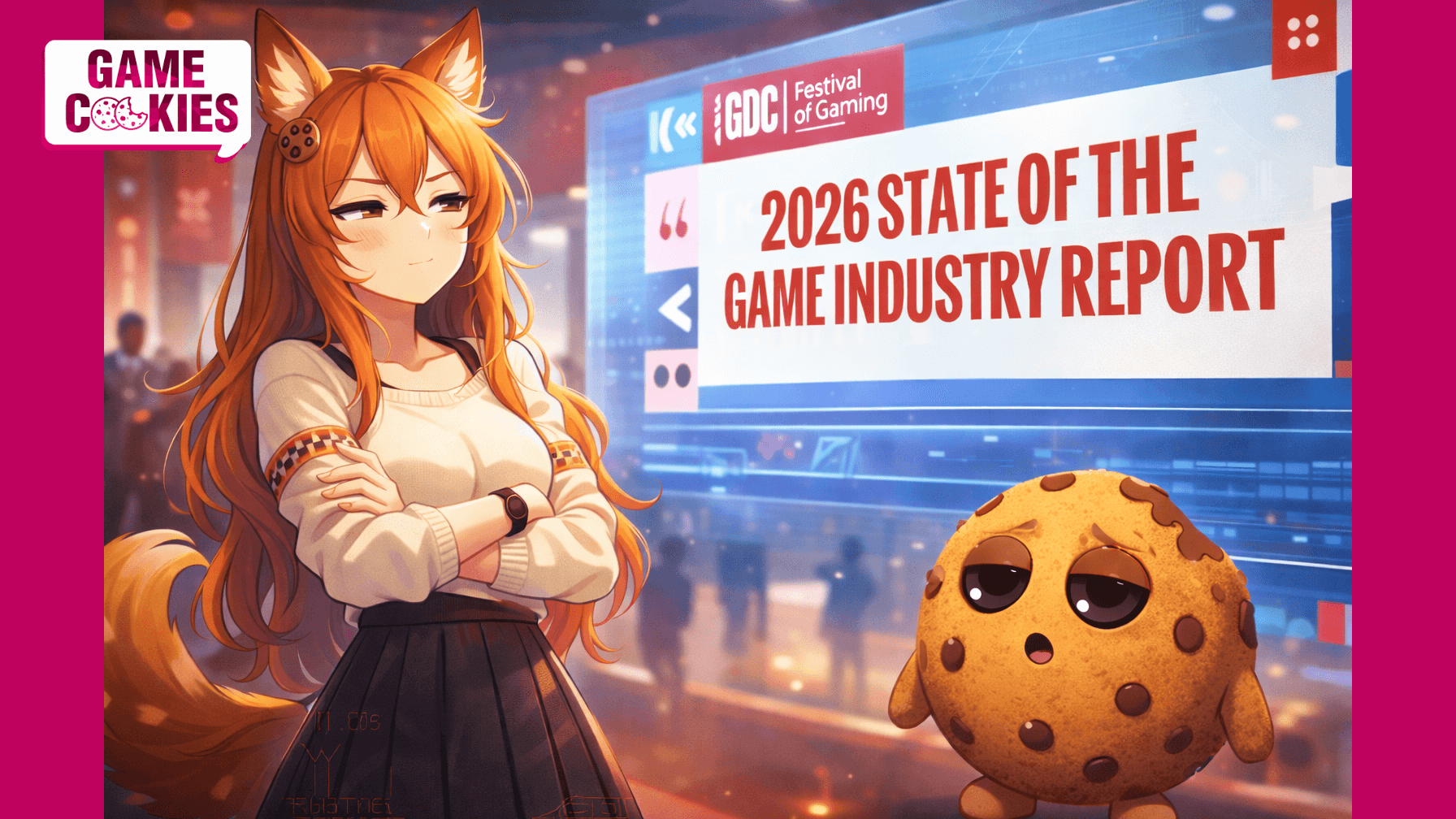
Hello there, burned out devs and tired players. Today we’re looking at a weird split-screen moment in games. On one side, the GDC Festival of Gaming industry survey reads like a stress signal. On the other side, AAA keeps rolling out projects that feel like they were approved in a vacuum, marketed at ghosts, and shipped with the confidence of people who never have to refund anything.
This isn’t one problem. It’s a stack of problems. And the worst part is how familiar it’s starting to feel.
The “Who Asked For This” Era Is Not Ending
There’s a type of announcement that lands and you can feel the air leave the room. Not because it’s offensive. Not because it’s edgy. It’s just… confusing. Like you’re watching a franchise expand because somebody internally loves it, not because the audience is begging for it.
A Horizon spinoff is a perfect example. Horizon itself has fans, sure. But a spinoff that looks like a Monster Hunter flavored side quest with character designs that people instantly clown, that’s not momentum. That’s a brand being stretched to see if it snaps.
🦊 Kiki: Bro, Horizon is one of those franchises where the marketing always feels louder than the demand. Like you’ll see ten glossy posts, five influencer clips, a whole press cycle, and then you talk to actual people and they’re like yeah I played the first one, it was fine, anyway. And then Sony keeps coming back with another one and another one like it’s some kind of emotional support IP. The scary part is the vibe. It doesn’t look loved. It looks managed. It looks like the kind of thing where if you say “I don’t think players are asking for this,” somebody in the room makes it about your attitude instead of the product. And yeah, I know, maybe it’s fun. Maybe it’s better than it looks. But we’re past that era where you get infinite benefit of the doubt just because the logo is expensive.
🍪 Chip flattens slightly, stare locked forward, like he’s watching a car crash he already predicted.
Live Service Trauma Is Still Fresh, But Studios Keep Pretending It Isn’t
It’s wild watching companies keep walking into the same wall. Sony’s live service pipeline has been this rolling question mark for a while. People remember the flops, the delistings, the games that show up dead, the ones that launch and immediately get treated like a cautionary tale.
When players see another live service pitch, they don’t see “bold bet.” They see “please don’t waste another 3 years of dev time on something nobody sticks with.”
🦊 Kiki: Every time I see a new live service trailer from a huge studio, I don’t even feel hate anymore. I feel tired. Like you can tell they’re about to spend a fortune polishing the wrong thing. Also the trailers are doing this weird corporate cosplay where they try to look rebellious, try to look street, try to look like “community,” but it feels like a committee wrote it. People clock that instantly. And then when it doesn’t land, they act surprised. Like bro, players have been screaming what they stick with. The answer has been sitting in plain sight for years. You just don’t like the answer because it doesn’t fit the internal pitch deck.
🍪 Chip slowly turns his whole cookie face toward the screen and freezes, as if he’s bracing for the inevitable patch notes.
The GDC Survey Reads Like A Cry For Help
Now we get to the part that actually matters. The GDC State of the Game Industry survey. Over 2,300 responses, heavily Western, a lot of California voices in the mix.
The headline numbers in the discussion are brutal. One in three U.S. game developers laid off in the last two years. AAA studios doing layoffs at scale. Students looking at the industry and thinking, why would I even enter this.
Studios cite restructuring, budget cuts, market conditions. Workers point to mismanagement and greed. The truth is probably messy, but the outcome isn’t. People are getting wrecked.
🦊 Kiki: I hate how normalized this is getting. Like layoffs used to feel like an event. Now it’s just a season. And everybody acts like it’s weather. “Oh wow, market conditions.” Shut up, man. That’s somebody’s rent. That’s somebody’s visa. That’s somebody’s health coverage. And here’s the thing, even if you want to blame the top, even if you want to scream about executives, the industry can’t keep pretending it’s only one layer messing up. Dysfunction spreads. It always does. I’ve seen it in guilds, I’ve seen it in friend groups, I’ve seen it in jobs. The minute the culture becomes “don’t say the wrong thing, don’t question the plan,” the product rots in slow motion. Then the audience rejects it, and the people who get punished first are never the ones who approved the nonsense.
🍪 Chip does a tiny wobble in place, like he wants to leave the room but doesn’t have legs.
Nobody Wants to Say “This Doesn’t Look Good” Inside the Building
A theme in the conversation is that studios are becoming places where honest critique feels dangerous. Not everywhere. Not every team. But enough that it shapes behavior.
If artists, designers, writers, producers, whoever, feel like they can’t say “this character design isn’t landing” or “this trailer is giving the wrong impression” or “players are going to clown this,” then the correction happens externally. Loudly. Publicly. And late.
🦊 Kiki: This is the part that always makes me laugh in the worst way. Because I know there are smart people in those buildings. I know there are devs looking at certain choices like… are we really doing this. And then they shut up because they’ve watched what happens to the person who doesn’t clap hard enough. So the studio ships it. The internet dunks on it. Then leadership acts like the backlash is some mystery phenomenon. It’s not mystery. It’s delayed feedback because nobody wanted to hear it early. And when you build a culture where silence is safer than honesty, you don’t get better games. You get prettier mistakes.
🍪 Chip leans forward a bit, as if he’s trying to hear the part nobody is saying out loud.
The Survey Talks About Everything Except The Customer
This is the part that really sticks. The survey covers demographics, DEI policy shifts, AI, monetization, engines. It is the industry studying itself.
But the missing center is the player. The person buying the game. The person deciding, in 20 seconds, whether your trailer feels worth their time.
If you can’t talk clearly about player demand, you start treating failure like a confusing internal puzzle instead of the simplest market signal in the world.
🦊 Kiki: I’m gonna be real, when an industry survey doesn’t care about what customers like, it tells you the mindset. They’re talking to themselves. They’re optimizing for internal approval. They’re obsessed with internal politics. Players are not subtle. Players are loud. They refund. They uninstall. They roast your trailer. They stop pre-ordering. They don’t need a research team to decode. If your whole strategy is “convince people they want this,” you already lost. The job is to make something they actually want. That’s it.
🍪 Chip slowly raises his little arms, then drops them, like a tiny surrender.
The Experience Drain Is Real and It Shows Up in the Details
The survey discussion also gets into experience levels. A lot of devs have relatively few years in the industry, and fewer have long tenure. That’s not a moral judgment on newer devs. Everyone starts somewhere.
But when experienced people leave, the invisible craft leaves with them. The boring discipline that makes games feel tight. The stuff you only notice when it’s missing.
🦊 Kiki: Old studios didn’t feel “better” because the past was magical. They felt better because people had reps and standards, and somebody would call you out when you tried to ship garbage. Now you’ll see games launch with basic performance issues, basic UI nonsense, basic polish missing, and you’re like, how did this pass. It passed because the pipeline is full of people who have never shipped a clean game under pressure, and the people who used to teach that are gone, or burned out, or laid off. And then everyone acts shocked that quality is inconsistent. It’s not shocking. It’s predictable.
🍪 Chip makes a tiny, sad bounce, like a stress ball being squeezed once.
AI Is A Real Layoff Accelerator, But It Doesn’t Fix Taste
Near the end, the conversation hits something important. AI and automation are likely a bigger driver of workforce reduction than people want to admit. Tool assisted production changes headcount math. It changes timelines. It changes which roles survive.
But none of it fixes the core problem: studios still have to make good calls. Good taste. Good decisions. Tools don’t solve misalignment with players.
🦊 Kiki: I know people want one villain. It’s cleaner. But the job cuts are gonna get worse because automation is real and it’s not slowing down. If you can replace three people with a tool and one exhausted operator, a lot of companies are going to do it. That doesn’t mean the games get better. It just means they get produced faster. And if you’re producing the wrong thing faster, congrats, you’re just speedrunning failure. The only thing that survives this era is stuff that people actually want. Not stuff that checks boxes. Not stuff that wins internal meetings. Stuff that makes players go “oh hell yeah” without being coached into it.
🍪 Chip freezes, eyes wide, as if he just imagined a whole studio being replaced by a dropdown menu.
The Audience Still Shows Up When It’s Good
The clearest truth in all of this is that players still show up for games that look confident and fun. When a studio understands its audience, the hype doesn’t need explaining. It just exists.
The industry isn’t doomed. It’s just drifting. And drifting gets expensive.
If studios want a real correction, it’s not going to come from more internal surveys alone. It’s going to come from listening to what players are already doing with their wallets and their attention, and then making products that earn trust again.
⚙️ Stay clear eyed, like the devs who are still shipping great games in the middle of chaos. ⚙️ Keep listening, like the studios that watch player behavior instead of internal narratives. ⚙️ And remember, nobody can PR their way into demand. Make something worth wanting.
🦊 Kiki · 🍪 Chip · ⭐ Byte · 🦁 Leo