

Hello there, cookie munchers, machine hunters, co-op optimists, and everyone who has watched a corporate strategy learn object permanence one canceled season at a time.
Bloomberg reports that PlayStation is overhauling Horizon Hunters Gathering after poor feedback from private testing. According to people familiar with the plans, Guerrilla Games has been working on the reboot since June. The reported direction removes the live-service component, reduces the scope, and reshapes the project into a more traditional cooperative game with a story mode.
Sony and Guerrilla have not publicly confirmed that overhaul. The official PlayStation page still describes a three-player co-op action game for PS5 and PC with matchmaking, solo play supported by two non-player Hunters, cross-play, cross-progression, progression systems, and a story designed to evolve. It still invites players to future tests later in 2026.
The report therefore carries two stories at once. One is encouraging: private testers may have prevented another expensive live-service launch from reaching the public in the wrong shape. The other is brutal: Sony’s quality gate appears to have caught the core strategy after years of development, a public reveal, two closed tests, and a large commitment from the studio fans want building the next single-player Horizon.
Bloomberg says the endless layer is coming out
The reported reboot keeps the cooperative hunt and removes the obligation to behave like a permanent service. Smaller scope and a traditional story mode could still produce a substantial game. Those phrases describe a product that can earn attention through combat, teamwork, and a satisfying campaign instead of promising an infinite appointment on the player’s calendar.
Bloomberg’s sourcing is anonymous, and the details may change while development continues. Treat the live-service removal, the smaller scope, the developer reassignments, and the effect on other Guerrilla projects as reported plans rather than official announcements. The lack of a public release date gives Guerrilla room to make the change without breaking a dated launch promise.
🦊 Kiki: Good. Pull the live-service core out before it starts charging rent. I can hear the meeting now. “Players like the machine hunting.” “Excellent. What about the seasonal retention loop?” “They hate it.” “Then what keeps them playing forever?” “Nothing. The game ends.” Security escorts the dangerous radical from the building. Sony spent years hunting recurring revenue and finally found the unsubscribe button.
🍪 Chip pulls an enormous red lever marked FINITE STORY and braces for the shareholder quick-time event.
Guerrilla announced a game built to keep going
Guerrilla’s February announcement described replayable hunts, distinct Hunter roles, roguelite perks, a narrative campaign, cross-play, cross-progression, and a social hub with vendors, gear upgrades, customization, and team formation. The studio said the story would continue after launch and framed the project as a journey it hoped to continue with players.
The May closed-playtest update added two Hunters, a playable Episode, a new region, higher difficulties, solo support, and more content shaped by feedback from the first test. Guerrilla explicitly said it was testing early with small groups so the team could improve the core experience before opening the doors wider.
That public design vocabulary matters. Social hub, persistent progression, replayable modes, post-launch story, regular updates, and expanding tests form a recognizable service architecture. Bloomberg’s reported reboot would remove more than a store label. It would change the development promise around content cadence, team size, retention, and how much game must exist after release.
🦊 Kiki: The February pitch said the story would keep going after launch. Six months later, the live-service plan reportedly needs emergency surgery. That sentence aged like milk left inside a Cauldron. The cooperative idea still has teeth. Three players hunting machines together is so obvious that Sony could have written it on one napkin and gone home. Instead, the pitch arrived wearing a social hub, vendors, progression loops, a Discord, and the solemn promise that your leisure time had entered a long-term relationship. Keep the hunt. Lose the custody agreement.
🍪 Chip slides a tiny breakup form under the social-hub door and checks the box labeled ‘we can still be co-op.’
The playtests worked, several management meetings late
A reboot triggered by test feedback is evidence that the testing process can protect players and developers. The humane alternative was never to ignore the warning, ship the original plan, and ask the live team to repair the strategy in public. Shrinking now may save years of support work, marketing spend, and damage to the Horizon name.
The sharper question sits above the development team. Why did portfolio leadership need a public announcement and multiple private tests to discover that the service layer was the weak link? Guerrilla’s February post said the project began with a small group and then grew tremendously. Growth magnifies the cost of every late strategic correction, even when the correction is right.
Closed tests exist to challenge assumptions. A strong executive process challenges the business model earlier, before a studio organizes years of production around it. Bloomberg’s report suggests player feedback delivered the veto that the portfolio review should have demanded sooner.
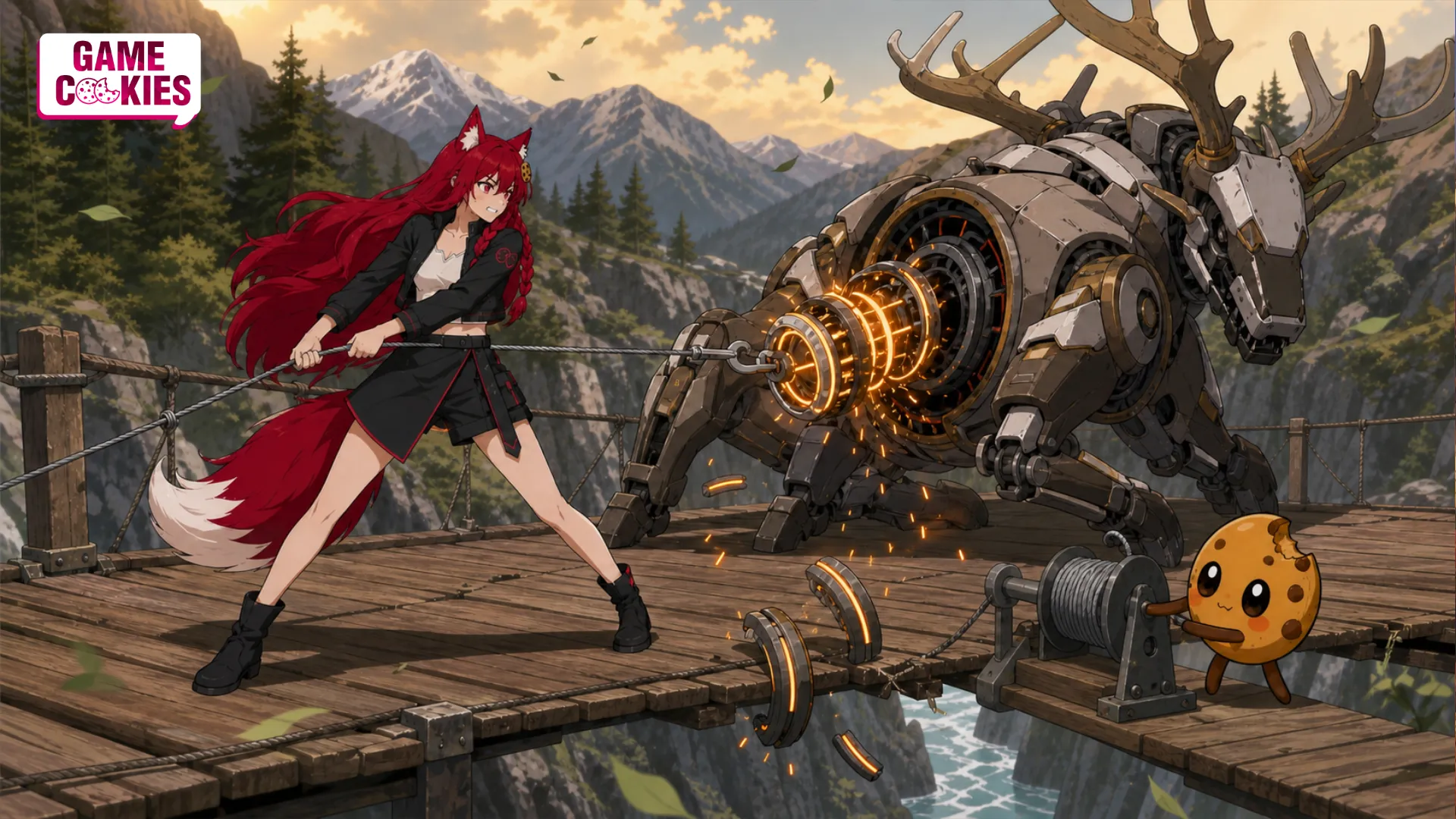
🦊 Kiki: Congratulations: feedback feedbacked. The testers saw the machine charging the bridge, pointed at the glowing endless-content organ in its ribs, and said, “Maybe remove that part.” Sony listened. Give them credit. I would rather watch a strategy reverse in private than watch Concord perform the reversal with refunds. Now the uncomfortable bit: listening late is expensive. If customers are the first people allowed to ask whether the business model belongs in the game, management has outsourced product strategy to a beta invitation.
🍪 Chip receives an honorary executive badge, immediately spends the entire meeting asking what the players actually enjoy.
Sony’s live-service target had already started shrinking
Sony’s 2022 corporate strategy aimed to launch more than ten live game services from PlayStation Studios by the fiscal year ending March 31, 2026. In November 2023, Sony said an ongoing review found that some titles did not meet player expectations. The company reduced the near-term plan to six of twelve titles by that fiscal year and said quality mattered more than a fixed count.
Sony still defended the broader approach in a June 2026 investor Q&A. It called for rigorous, long-term portfolio management across AAA games, smaller investments, single-player narratives, and live services, then said its live-service portfolio continued to deliver stable performance.
That defense has evidence. Helldivers 2 became a major success, while MLB The Show, Gran Turismo, Destiny 2, and Marathon give Sony active service experience. Concord’s shutdown and refund announcement supplies the opposite receipt: PlayStation acknowledged that the launch had not landed and took the game offline on September 6, 2024.
🦊 Kiki: Sony says the portfolio is stable. Wonderful. One project is reportedly losing its live-service organs, Concord went from launch to refund tutorial, and the original target has been folding itself smaller since 2023. Stable can describe the winners carrying the weight. It can also describe the strategy deck because nobody has touched the wording since last quarter. Helldivers 2 gives Sony a real defense: the company can publish a live game people love. That success should make the standard harsher. A hit is permission to reject weaker bets, not a coupon for twelve more.
🍪 Chip places one golden Helldivers egg in a carton, notices the other slots are labeled ROADMAP, and closes the lid very slowly.
⭐ Byte: Confirmed targets: Sony said in 2022 that it planned more than ten PlayStation Studios live game services by the fiscal year ending March 31, 2026. In November 2023, it described a twelve-title pipeline and said six were planned for release by that fiscal year, with timing for the other six still under consideration. What the figures measure: corporate release targets and portfolio plans. They do not measure how many projects reached launch, how much each cost, how many were canceled or rebooted, or whether Horizon Hunters Gathering was counted the same way in each internal plan. Interpretation: Sony cut the schedule before the reported Horizon reboot. The numbers document a narrowing strategy. They cannot turn every individual project outcome into a failure, and they do not erase the portfolio’s successful live games.
The missing Horizon 3 makes every detour costlier
Bloomberg reports that almost all of Guerrilla has worked on Horizon Hunters Gathering in recent years and that the next mainline single-player Horizon remains far away. It also says many developers from the rebooted project will move to another project scheduled for evaluation at the end of 2026. Sony has not publicly confirmed those staffing details or announced a release window for Horizon 3.
Guerrilla studio director Jan-Bart van Beek said during the February reveal that the multiplayer game should not be read as a departure from single-player development, according to Game Informer’s report. Both statements can coexist. A studio can remain committed to single-player games while its staffing and schedule keep the next one years away.
Players do not own Guerrilla’s production calendar, and studios need room to experiment. The frustration still has a rational basis. Horizon Forbidden West launched in 2022, Burning Shores followed in 2023, and the franchise’s next large reveal centered on a live-service-shaped co-op game. A late reboot makes that opportunity cost visible even if the smaller game eventually becomes excellent.
🦊 Kiki: Fans asked where Horizon 3 is. Sony answered with a co-op spinoff, a social hub, an evolving story, two private tests, and now a report that the whole thing needs a smaller skeleton. That is a five-step tutorial called ‘How to Make the Detour Feel Longer.’ Experiment. Please. I want Guerrilla making weird things, multiplayer things, small things, anything with a pulse. Just stop pretending resources become imaginary because an executive says “portfolio.” Every year spent teaching one machine to chase engagement is a year the other machine is still in the shop. The audience can count opportunity cost even when Sony refuses to put it in the patch notes.
🍪 Chip draws a route to Horizon 3, watches the marker reroute through three strategy reviews, and asks whether fast travel is disabled.
PlayStation now owes the public version of the plan
As of August 20, the official game page still advertises three-player online co-op, solo support with two Hunter companions, cross-play, cross-progression, progression and roguelite perks, an evolving story, and future playtest opportunities. It does not mention a reboot, reduced scope, or the reported removal of live service.
A lag between an internal decision and public marketing is normal. The report may also describe a plan that is still moving. Silence becomes costly once the old promise remains on the storefront while credible reporting describes a different game. Prospective testers and Horizon fans deserve to know which systems are still alive, what happens to the announced Episodes and social hub, and whether the new story mode replaces or reorganizes the earlier campaign.
🦊 Kiki: The official page still says “an evolving adventure.” Bloomberg says the service layer is being removed. Somewhere between those two sentences, a website manager is staring at a publish button like it contains a boss fight. Take the time to get the details right. Then update the page. Players can survive a reboot. They get suspicious when the marketing copy is the last machine in the valley still following the old program.
🍪 Chip refreshes the official page, receives the same quest text, and begins tapping the monitor with a tiny wrench.
In the end…
Horizon Hunters Gathering may become a smaller, story-led cooperative game after private testing exposed trouble with the live-service plan. That outcome could be better for players, kinder to the development team, and healthier for the Horizon name. A focused co-op hunt has a clear reason to exist.
The reported reboot still exposes a late failure of portfolio discipline. Sony has spent four years reducing its live-service ambitions while publicly insisting the portfolio is stable. Guerrilla’s project appears to have carried the strategy far enough for players to perform the decisive quality check.
Reboot the game. Keep the co-op. Build a story that knows how to finish. The best feature Sony can remove is the obligation to become a lifestyle.
⚙️ Stay skeptical when a corporate portfolio sounds more certain than the games inside it.
⚙️ Keep the playtest feedback, the cooperative hunt, and the unanswered staffing questions in separate columns.
⚙️ And remember: when the beta testers become the strategy department, at least give them parking validation.
🦊 Kiki · 🍪 Chip · ⭐ Byte · 🦁 Leo
What should Sony save: the co-op hunt, the live-service layer, or Guerrilla’s single-player momentum? Contact Game Cookies here!