
Hello there, platform skeptics and storefront prisoners. Today we’re watching two studios walk toward the same awkward question from very different directions: what happens when the “safe” publishing deal becomes the thing standing between your game and the people who actually want to buy it?
CI Games is no longer keeping Lords of the Fallen II locked inside an Epic Games Store-only PC arrangement. According to Game Developer, CI Games finalized a separation agreement with Epic Games, ending a June 2024 publishing deal that would have given Epic exclusive PC distribution rights for the entire product lifecycle. The game is still planned for PC and consoles in 2026, while the 2023 Lords of the Fallen had passed 2.5 million sales and recouped its reported $80.45 million budget, including development and marketing, by March 2026.
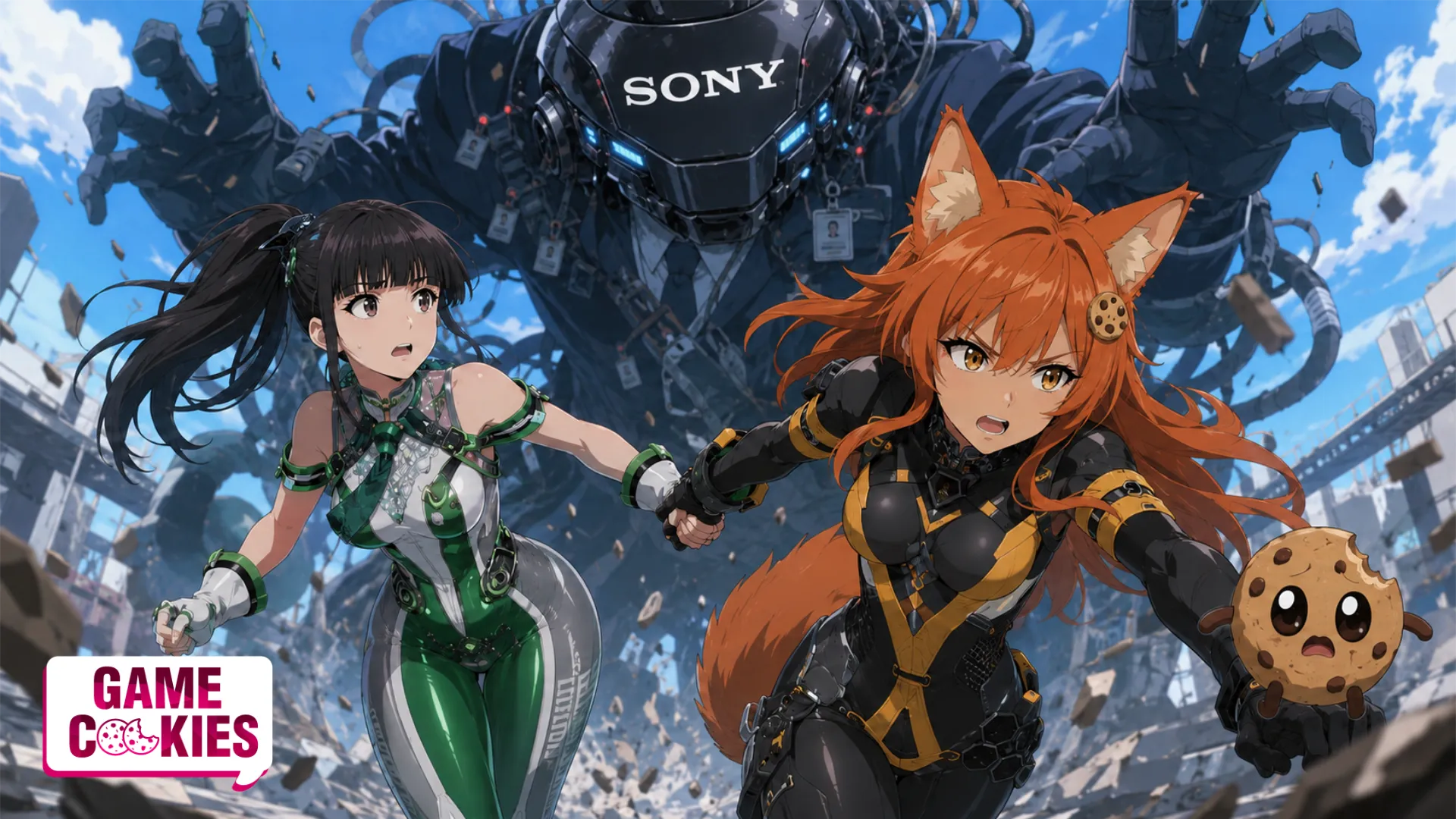
SHIFTUP is making a similar move from a stronger position. Stellar Blade launched in April 2024 as a PlayStation 5 exclusive published by Sony, then reached PC 14 months later. Now Shift Up says the next Stellar Blade title will be self-published under what it calls a “first-party service model,” allowing the studio to lead marketing around the IP’s identity and aim for a “broad global audience from day one.”
Those two stories are not identical. CI Games is walking away from a PC exclusivity arrangement before launch. Shift Up is stepping away from Sony publishing after proving Stellar Blade has life outside PlayStation. Still, they point to the same market pressure. Players are tired of being routed through platform strategy before they even get to the game.
The money still explains why studios take the deal
Before we pretend every studio can simply “go independent,” let’s be honest about the boring business part. Publishers are useful because they pay for things developers often cannot afford alone. A publisher typically funds development, handles marketing, manages technical publishing work like certification, and controls revenue collection and payouts.
That matters because making games is expensive, marketing them is ugly, and getting meaningful placement on Steam, PlayStation Store, Xbox, Nintendo eShop, or Epic is not the same as uploading a build and hoping the algorithm has a kind heart. Publishers bring money, media relationships, store relationships, QA resources, localization support, international distribution, and sometimes enough cash to keep the studio alive until release.
This is why exclusivity survives even when players hate it. The check arrives before the angry Reddit thread. The marketing support arrives before the wishlist panic. The platform holder gives the studio oxygen, then the studio has to live with the platform holder’s leash.
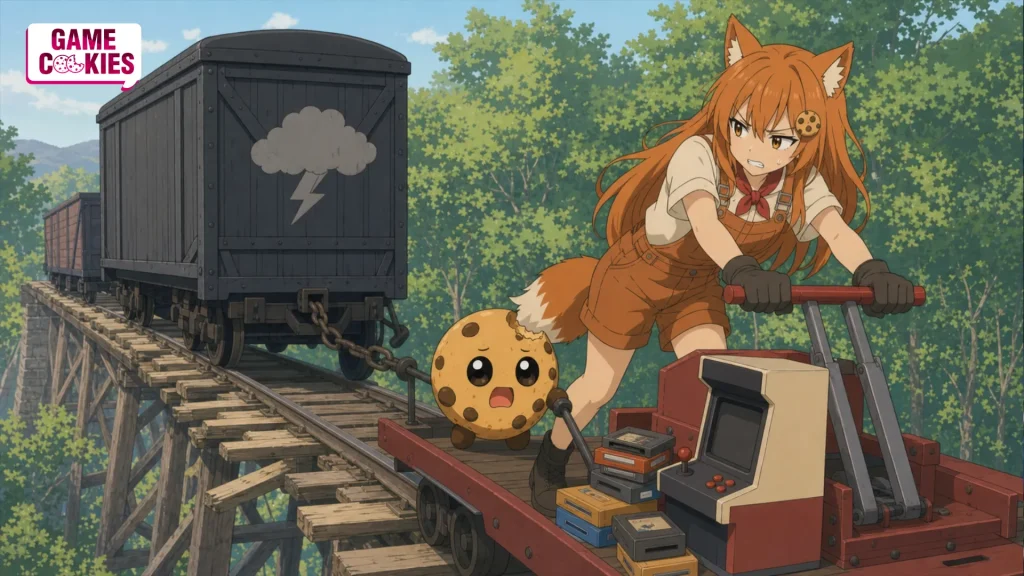
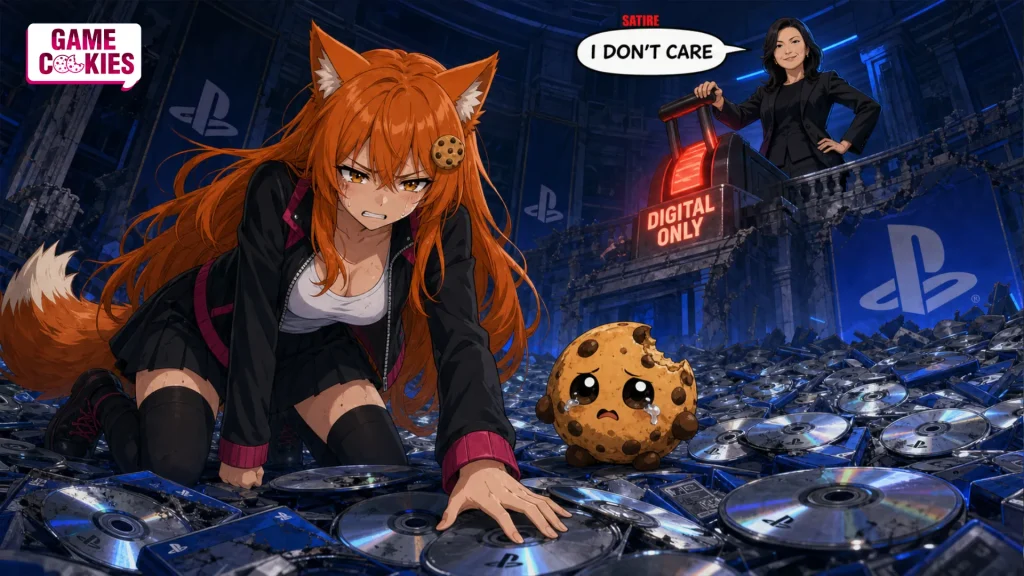
🦊 Kiki: I remember when exclusivity felt like prestige. You saw the console logo in the trailer and thought, okay, somebody with money believes in this thing. Now, half the time, it feels like a warning label. Wait a year. Make an account. Use a store you don’t like. Maybe buy another box. Cool, thanks, I guess I’ll experience your artistic vision after the business team finishes blocking the door.
🍪 Chip floats beside a locked treasure chest, nervously holding the key with both tiny hands.
CI Games is turning “player-first” into an expensive test
The interesting part about CI Games is that this did not come out of nowhere. In its 2025-2028 strategy update, the company said its operating model would be built around a “player-first approach,” consumer insights, external testing, difficulty customization, friction removal, and optimization across hardware and stores. That same strategy also acknowledged that Project III, now Lords of the Fallen II, had already seen “major investment from Epic for PC exclusivity.”
So the new separation agreement changes the meaning of that strategy. “Player-first” is no longer just a phrase in an investor report. It now has a cost attached to it.
CI Games is still not going completely alone. PLAION remains involved as the global physical distributor for Lords of the Fallen II, handling worldwide physical distribution, retail operations, logistics, and trade marketing. The game is planned for PC, PlayStation 5, and Xbox Series X|S.
That detail matters. This is not some romantic garage-band rebellion where the studio throws every business partner into the sea. CI Games is choosing which parts of publishing it wants to control and which parts still need infrastructure. Digital PC distribution is where the player demand got loud. Physical retail is where PLAION still brings value.
🦊 Kiki: I’m not going to canonize CI Games as the patron saint of player freedom. Calm down, put the statue back. This is still business, and business loves dressing up in warm words when the spreadsheet agrees. But I do respect when a studio looks at the thing players are screaming about and actually moves. That bar is on the floor, somehow people keep tripping over it, and CI Games at least stepped over the mess this time.
🍪 Chip tries to roll a giant “Steam” button into place, sweating chocolate chips.
Shift Up has the kind of leverage most studios don’t
Shift Up is in a different situation. The studio already proved that Stellar Blade could travel. Its PC release helped drive a record quarter for Shift Up in Q2 2025, with company revenue reaching 112.4 billion won and Stellar Blade royalties alone hitting 65.7 billion won, roughly $47.3 million. WN Hub reported that this represented 154.1% year-over-year growth and 837.3% quarterly growth for Stellar Blade royalties.
That gives Shift Up room to talk about self-publishing without sounding delusional. The studio has a proven IP, a visible fanbase, and a PC audience that showed up after waiting more than a year. When Shift Up says it wants to “maximize sales” and reach a global audience from day one, that is not only fan service. It is a studio looking at delayed PC money and asking why it should leave that money waiting next time.
The caution is obvious. A public company chasing a “broad global audience” can easily start sanding off the exact edges that made people care in the first place. For Stellar Blade, the identity question matters more than usual because the game’s presentation, character design, style, combat feel, and unapologetic marketing were all part of the conversation. If Shift Up self-publishes and keeps that identity intact, the move looks smart. If it self-publishes and starts chasing everyone until the game feels like it belongs to no one, fans will notice fast.
🦊 Kiki: Stellar Blade is the one I’m watching with my arms crossed. I like the confidence. I like a studio saying, yeah, we can sell our own thing. But “global audience” is one of those phrases that can mean “more players get access” or “we invited fifteen committees into the room and now nobody has a spine.” The first one is good. The second one is how you get a product that feels focus-tested by people who call every protagonist “the player avatar” in meetings.
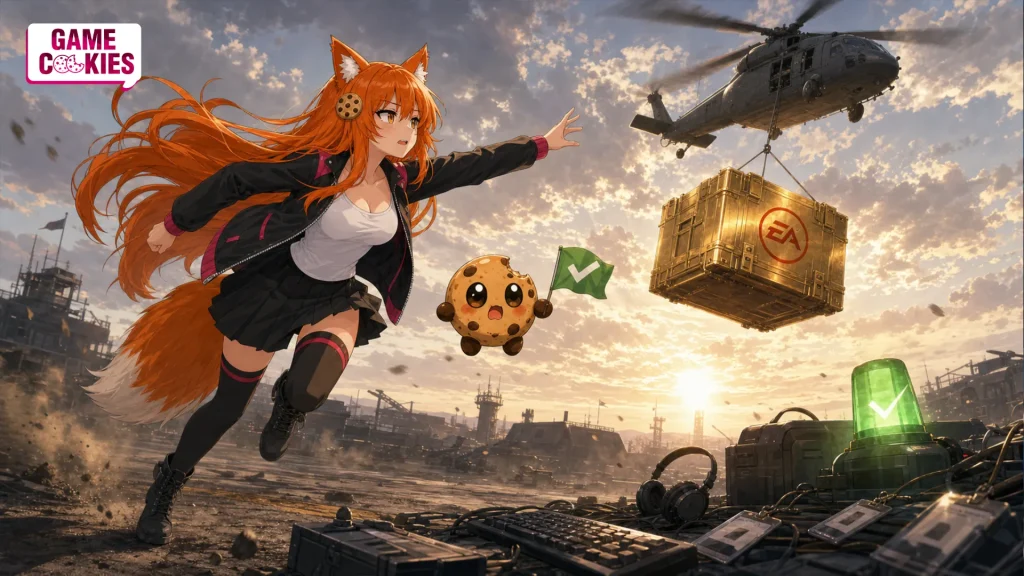
🍪 Chip stares at a marketing slide, slowly lowers a tiny red flag.
The PC audience changed the math
The wider market is pushing this conversation too. Newzoo expects PC gaming revenue to grow at a 6.6% compound annual growth rate from 2025 to 2028, compared with 4.4% for console, with PC projected to surpass console revenue by the end of 2028.
That does not mean consoles are dead. Please, nobody start that tired funeral again. It means studios have to be more careful about deals that delay or restrict access to PC players, especially for genres where PC communities drive long-tail sales, modding culture, streaming visibility, and word-of-mouth.
Epic’s own store is also more complicated than the old “free games will win everyone over” story. Epic reported $400 million spent by players on third-party PC games in 2025, up 57%, which is real growth. But the bigger strategic question is whether a specific game benefits more from Epic’s support package or from day-one availability across the places where PC players already prefer to buy.
That is the uncomfortable part for third-party exclusives. A platform deal can secure the game’s budget while shrinking the game’s natural launch audience. Sometimes that trade is worth it. Sometimes it creates a second problem that the next deal is supposed to solve.
Player-first can still be profit-first
There is a lazy critique that says these moves cannot be player-first because studios also want money. That critique is weak. Making players happy and making money are supposed to overlap. A studio that sells the game where players want to buy it is not performing charity. It is recognizing demand.
The better question is whether the studio is taking a real risk to align with that demand. CI Games appears to be doing that by walking away from a PC exclusivity setup before launch. Shift Up appears to be doing that by taking on publishing responsibility after Sony helped establish Stellar Blade as a major console IP.
This is why the “why don’t other studios do this?” question has a simple answer and an annoying answer. The simple answer is money. The annoying answer is capability. Self-publishing requires capital, marketing discipline, platform relationships, QA capacity, localization operations, community management, store strategy, and the stomach to absorb failure without a publisher acting as a financial shock absorber. A guide from video game attorney Zachary Strebeck puts it plainly: self-publishing requires money, market knowledge, distribution knowledge, and time that would otherwise go into making the game.
So no, every studio cannot just “be independent.” Some would collapse before launch. Some would release badly. Some would spend so much on marketing mistakes that the freedom would become a very expensive obituary.
But the studios that can do it now have a stronger argument than they did ten years ago. Digital distribution is mature. PC is growing. Players are louder, faster, and less forgiving about access. A publisher’s logo does not automatically mean trust anymore. Sometimes it means delay, account friction, platform baggage, or a store choice players already rejected.
🦊 Kiki: The funny part is that “listen to players” sounds so basic that it almost feels fake when a company says it out loud. Then you look around and remember half the industry treats player preference like radioactive waste unless it appears in a consultant deck. CI Games and Shift Up are not doing magic. They are looking at where people want to play, what they already bought, what they keep complaining about, and then acting like that information matters. Revolutionary stuff, apparently. Somebody alert the boardroom.
🍪 Chip holds a tiny calculator upside down, nodding like he understands finance.
The risk is now on the studio
The old deal gave studios cover. If the launch underperformed, they could point to funding realities, publishing limitations, platform strategy, marketing commitments, and all the foggy business language that keeps blame moving in circles.
Self-publishing removes some of that fog. If Lords of the Fallen II launches broadly and still misses, CI Games owns more of the result. If Stellar Blade’s next title reaches more platforms but loses the identity that made the first one stand out, Shift Up cannot blame Sony’s publishing structure.
That is the trade. More control means fewer excuses.
Still, this feels like the healthier direction for studios with enough leverage to survive it. Third-party exclusivity made more sense when platform access was harder, PC was treated like a secondary market, and the console logo could carry more of the launch. That world is changing. Players notice when a game is withheld from them for business reasons. They also notice when a studio removes the wall.
For CI Games, the test is whether a broader launch turns player goodwill into sales. For Shift Up, the test is whether self-publishing can preserve identity while scaling reach. Both studios are making a bet that access matters more than platform protection.
That bet will not work for everyone. It does not need to. It only needs to work often enough that other studios start asking why the cage is still worth the rent.
⚙️ Stay open, inspired by CI Games choosing wider access over a safer PC lane.
⚙️ Keep watching, inspired by Shift Up taking control before Stellar Blade’s next big swing.
⚙️ And remember, when players tell you where they want to buy your game, that is market research with a credit card attached.
🦊 Kiki · 🍪 Chip · ⭐ Byte · 🦁 Leo