🍪 When “Cost Reduction” Becomes the Whole Strategy

Hello there studio workers, union organizers, and people who’ve learned to read corporate statements like patch notes that never tell the full story.
This week’s Ubisoft Halifax shutdown didn’t happen in isolation. It landed inside a pattern the industry has been building for years, one where cost reduction stops being a lever and quietly becomes the strategy itself. The language is familiar. Streamlining. Efficiency. Focus. What’s harder to track is what gets lost every time those words are used.
Ubisoft Halifax and the Shape of the Decision
Ubisoft confirmed it would shut down its Halifax studio, eliminating 71 roles as part of its ongoing cost reduction plan. The studio had been working primarily on mobile projects and support work for larger Ubisoft franchises. On paper, the explanation was straightforward. The company has been under financial pressure, missing forecasts and promising investors leaner operations.
The timing, however, raised eyebrows. Just weeks earlier, Halifax employees had voted to unionize. Ubisoft stated publicly that the decision to close the studio had been made long before the union vote and was unrelated. From a legal standpoint, that distinction matters. From a human one, it doesn’t erase the impact.
🦊 Kiki: I’ve seen this movie before, and not just at Ubisoft. A studio gets labeled non-core, the spreadsheets get involved, and suddenly a whole group of people becomes a line item. The union timing makes everyone uncomfortable, even if the decision really did start earlier. That discomfort comes from years of watching workers absorb the risk while companies protect flexibility. Whether intentional or not, the message still lands the same for people inside studios: security is temporary.
🍪 Chip quietly slides a stack of papers labeled “restructuring” off the desk.
Cost Reduction as a Permanent State
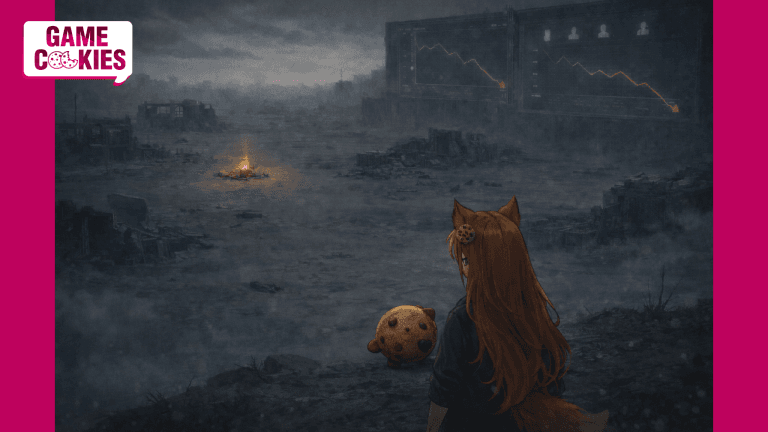
Ubisoft is far from alone. Over the past two years, studios across the industry have closed or downsized under the same banner. Cost reduction plans promised to investors have resulted in layoffs at publishers both large and small. Support studios are often first to go. Mobile teams, regional offices, and external-facing units follow quickly.
The shift isn’t just about individual failures. It reflects a structural change. The industry expanded rapidly during the pandemic years, then hit a wall. Rising development costs, slower growth, and investor expectations collided. Instead of recalibrating scale and scope, many companies chose contraction.
🦊 Kiki: The scary part isn’t layoffs themselves. It’s how normalized they’ve become. Cost reduction used to sound like a temporary correction. Now it feels like a default mode. Studios aren’t planning for growth anymore, they’re planning for survival. And when survival becomes the goal, creativity and long-term thinking are usually the first things sacrificed.
🍪 Chip circles the word “temporary” and erases it.
Unionization, Risk, and the Power Imbalance
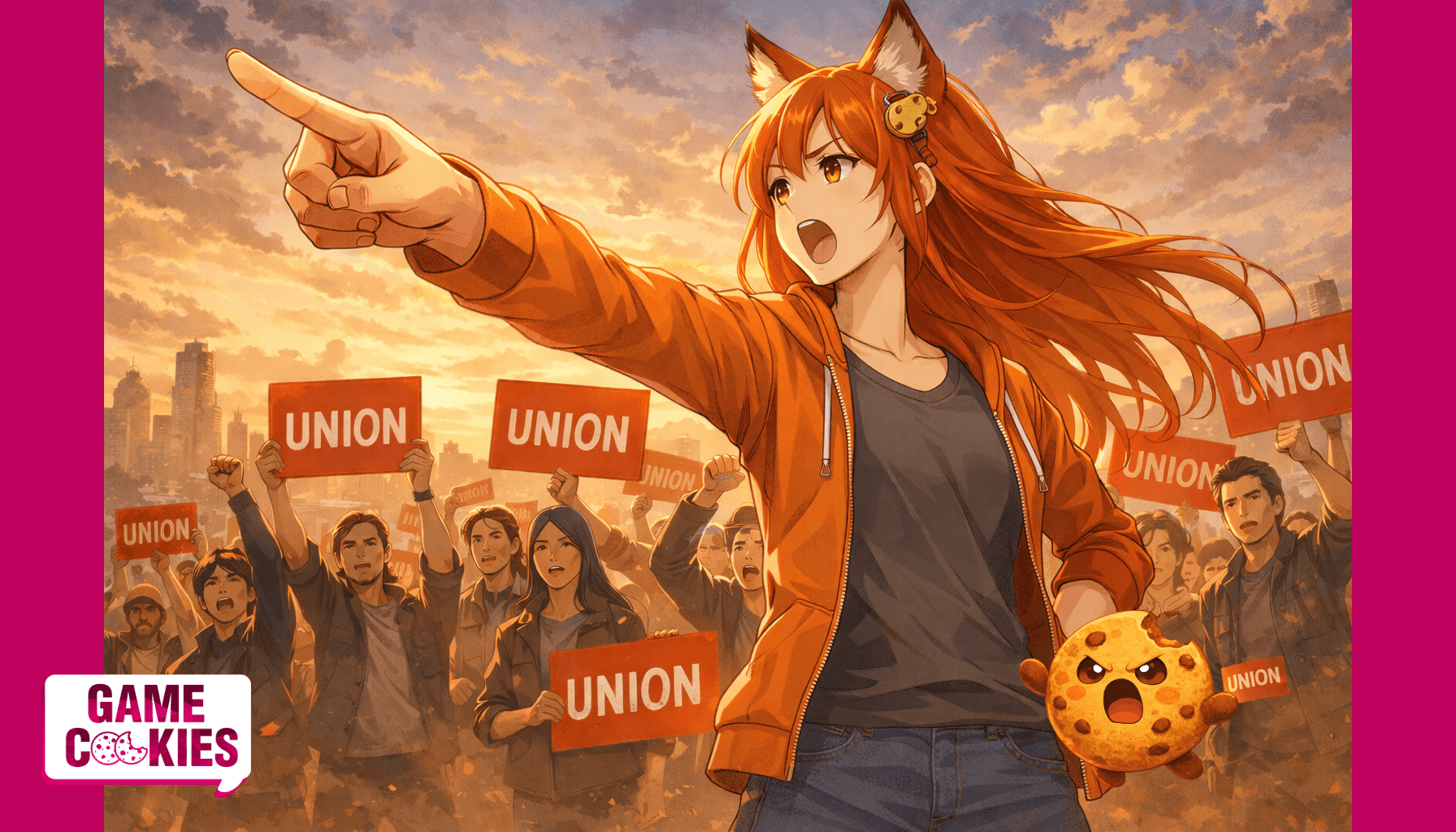
The Halifax situation also highlights a deeper tension around unionization in games. Workers are organizing precisely because instability has become routine. They’re asking for transparency, protections, and a voice in decisions that affect their livelihoods. Companies, meanwhile, argue they need flexibility to respond to volatile markets.
Both statements can be true at the same time. That’s what makes this moment so volatile.
Even when closures aren’t retaliation, they still send a signal. Organizing doesn’t guarantee safety. It doesn’t stop closures. It doesn’t prevent restructuring. What it does is change the conversation from individual vulnerability to collective negotiation.
🦊 Kiki: Unionization doesn’t magically save studios. Anyone expecting that is setting themselves up for disappointment. What it does change is leverage. It forces companies to explain themselves in rooms they don’t fully control. That’s uncomfortable for management, especially in an industry built on flexibility and silence. And discomfort is exactly why this conversation keeps resurfacing.
🍪 Chip holds a tiny sign that reads “at least ask.”
The Long-Term Consequences No One Models
Every closure like Halifax has ripple effects that don’t show up in earnings calls. Talent disperses. Institutional knowledge disappears. Local ecosystems weaken. Future hiring becomes harder as trust erodes. Developers carry the experience with them to the next studio, more cautious, less loyal, less willing to believe long-term promises.
For players, the impact is invisible at first. Games still release. Franchises continue. But over time, the industry becomes more conservative, more centralized, and less willing to take risks that don’t fit a spreadsheet.
🦊 Kiki: You can’t cost-cut your way to a healthier industry. You just end up with fewer people doing more work under more pressure, building safer things because failure feels unaffordable. That’s how you get stagnation disguised as efficiency. The damage shows up years later, when nobody remembers why things stopped feeling exciting.
🍪 Chip watches a creative spark flicker, then dim.
Closing Thoughts
Ubisoft Halifax wasn’t an anomaly. It was a symptom. Of an industry recalibrating in public, often at the expense of the people who make it run. Cost reduction might satisfy short-term goals, but it doesn’t answer the bigger question of what kind of industry survives on the other side of all this trimming.
That question is still open.
Stay aware like workers learning to read between corporate lines
Keep organizing conversations before decisions are final
And remember an industry built on people can’t treat them as expendable forever
🦊 Kiki · 🍪 Chip · ⭐ Byte · 🦁 Leo