🍪 When a Game Dies Even If You Paid for It

Hello there online warriors, live-service survivors, and people who are slowly realizing that ownership in games has become conditional.
Today’s story isn’t about a bad launch, a failed roadmap, or a studio that lost its way. It’s about something quieter and more uncomfortable. A game shutting down completely. Not fading. Not being abandoned. Simply turned off. And taking everything with it.
Anthem Reaches Its Final Day
At some point today, Electronic Arts (EA) will shut down the servers for Anthem, making the game permanently unplayable. The exact moment remains unclear. All that’s been officially communicated is the date. Depending on time zones or maintenance windows, Anthem could vanish at any moment.
What is clear is the outcome. Once the servers go dark, Anthem will not be accessible in any form. There is no offline mode. No archival version. No way to revisit the world of Bastion, even if you bought the game, invested hundreds of hours, or returned this week to say goodbye.
Anthem launched in 2019 as BioWare’s attempt at a shared-world shooter. It struggled to find its footing, suffered from unclear direction, and eventually had its planned overhaul cancelled. The game was removed from digital sale last year, and today marks its final shutdown.
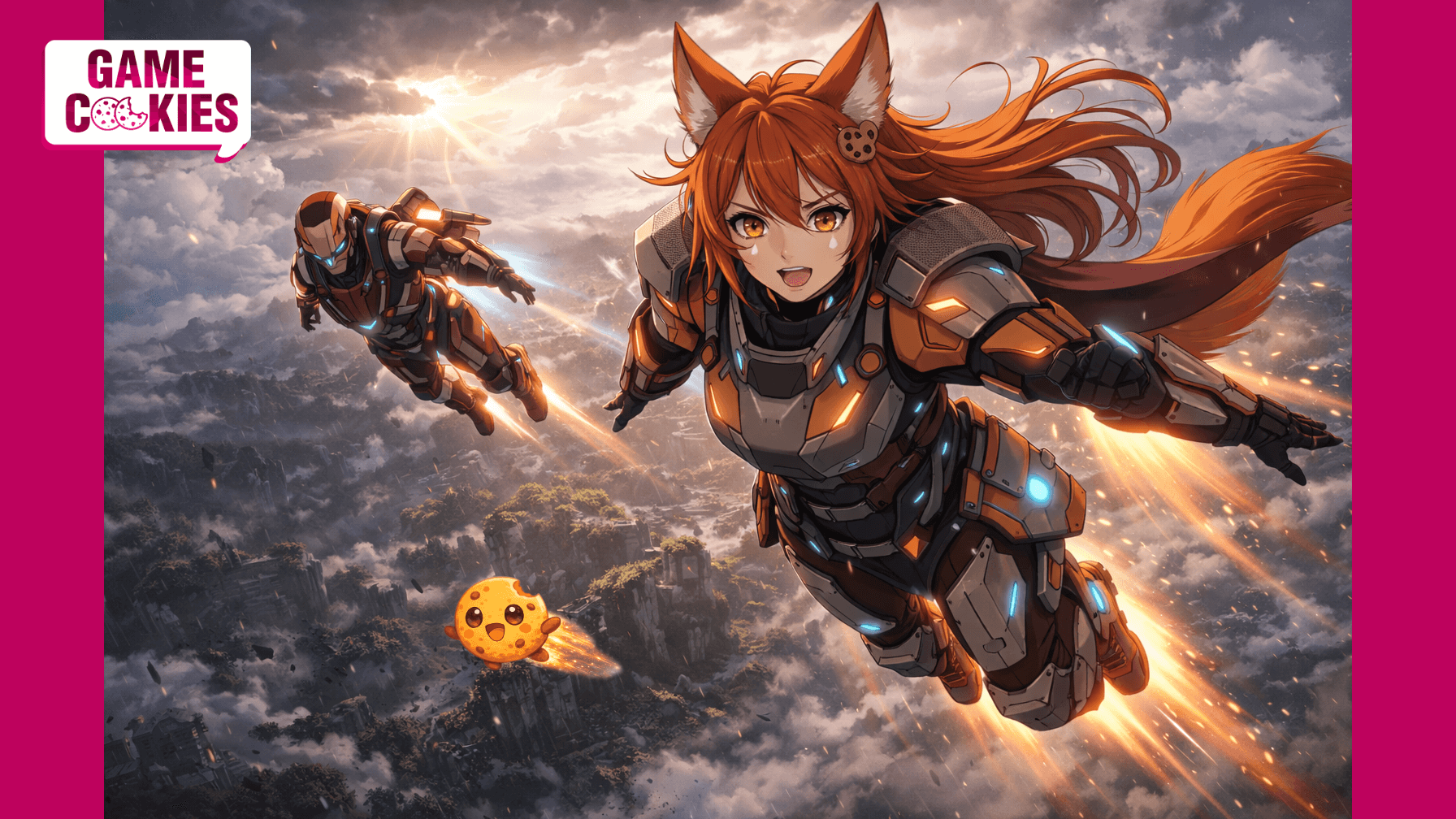
🦊 Kiki: I reinstalled Anthem this week just to see it one last time. Flying still feels incredible. That moment where you break through the clouds never stopped being good. And that’s the part that hurts. This wasn’t some broken mess people abandoned immediately. It was something flawed that people stayed with. Seeing it disappear completely, knowing there’s no way back, makes every hour spent feel fragile in hindsight.
🍪 Chip watches a Javelin hover, then fade.
The Community Shows Up One Last Time
As shutdown approaches, players have returned. Activity spiked. Not for new content, but for closure. The Anthem subreddit filled with farewell posts. Screenshots of characters. Short clips. Quotes. Variations of “stronger together.”
Players are finishing achievements while they still can. Taking final flights through Coda’s jungles. Standing in the Launch Bay with characters they shaped over years, knowing those characters will soon cease to exist entirely.
Nothing inside the game changed to acknowledge the moment. Shops still sell items. XP still accumulates. Currency still drops. Anthem is behaving like a live service that expects a tomorrow that will never come.
🦊 Kiki: This is the part that feels cruel. The game doesn’t know it’s dying. You’re still earning loot for a future that doesn’t exist. You’re still customizing a character that’s about to be erased. There’s something deeply unsettling about that. It exposes how disposable everything becomes once servers are the product.
🍪 Chip holds onto a badge labeled “100% complete.”
Ownership Without Access
Anthem’s shutdown highlights a growing issue the industry keeps sidestepping. Players bought the game. They paid for it. In many cases, they paid full price. And yet there is no way to access it once the servers go down.
No offline mode was ever added. No preservation option exists. EA confirmed last year that Anthem would not be playable offline, and today that decision becomes final.
This isn’t about refunds or disappointment. It’s about precedent. A purchased game that can be rendered entirely inaccessible, regardless of ownership, effort, or attachment.
🦊 Kiki: This is where the industry loses me. If I buy a game, I should be able to play it. Maybe not online. Maybe not with updates. But at least exist inside it. Anthem being wiped off the map sets a line that’s way too easy to cross again. If this becomes normal, buying games starts feeling more like renting memories.
🍪 Chip locks a door labeled “Access.”
The Temporary Nature of Live Service Worlds
Anthem isn’t the first game to shut down, and it won’t be the last. But it’s a particularly stark example because nothing remains. Characters vanish. Progress vanishes. Entire worlds vanish.
Live service games sell continuity. Investment. Identity. Social presence. They encourage players to treat characters as persistent extensions of themselves. And then, eventually, they pull the plug.
The industry still hasn’t answered the preservation question. Who is responsible for keeping these worlds accessible? Publishers. Studios. Players. No one seems eager to claim that duty.
🦊 Kiki: We’ve normalized pouring hundreds of hours into worlds that are built to disappear. That’s fine when everyone’s honest about it. What isn’t fine is pretending permanence exists when it doesn’t. Anthem didn’t just fail as a product. It failed as a promise.
🍪 Chip places a small marker that reads “Here once was.”
What Anthem Leaves Behind
Anthem will be remembered as a cautionary tale. Not just about mismanagement or live service ambition, but about access, ownership, and trust.
Players showed up at the end. They didn’t riot. They didn’t mock it. They said goodbye. That should mean something.
Because if a game can vanish completely today, every always-online game carries the same expiration date. It’s just a matter of when.
Stay grounded like communities that show up even at the end
Keep questioning what ownership really means in live games
And remember if access can be revoked, permanence is an illusion
If this story mattered to you, share it with someone who still thinks “always online” has no cost.
🦊 Kiki · 🍪 Chip · ⭐ Byte · 🦁 Leo