🍪 Highguard Closed The Game Awards and Paid the Price for It

Hello there, industry watchers and late-night trailer skeptics.
This story is not really about whether Highguard is good or bad. It is about what happens when a game is asked to carry more meaning than it ever signed up for.
Highguard did not just appear at The Game Awards 2025. It closed the show. That single decision reshaped how the game would be judged before anyone played it.
What Highguard Actually Is
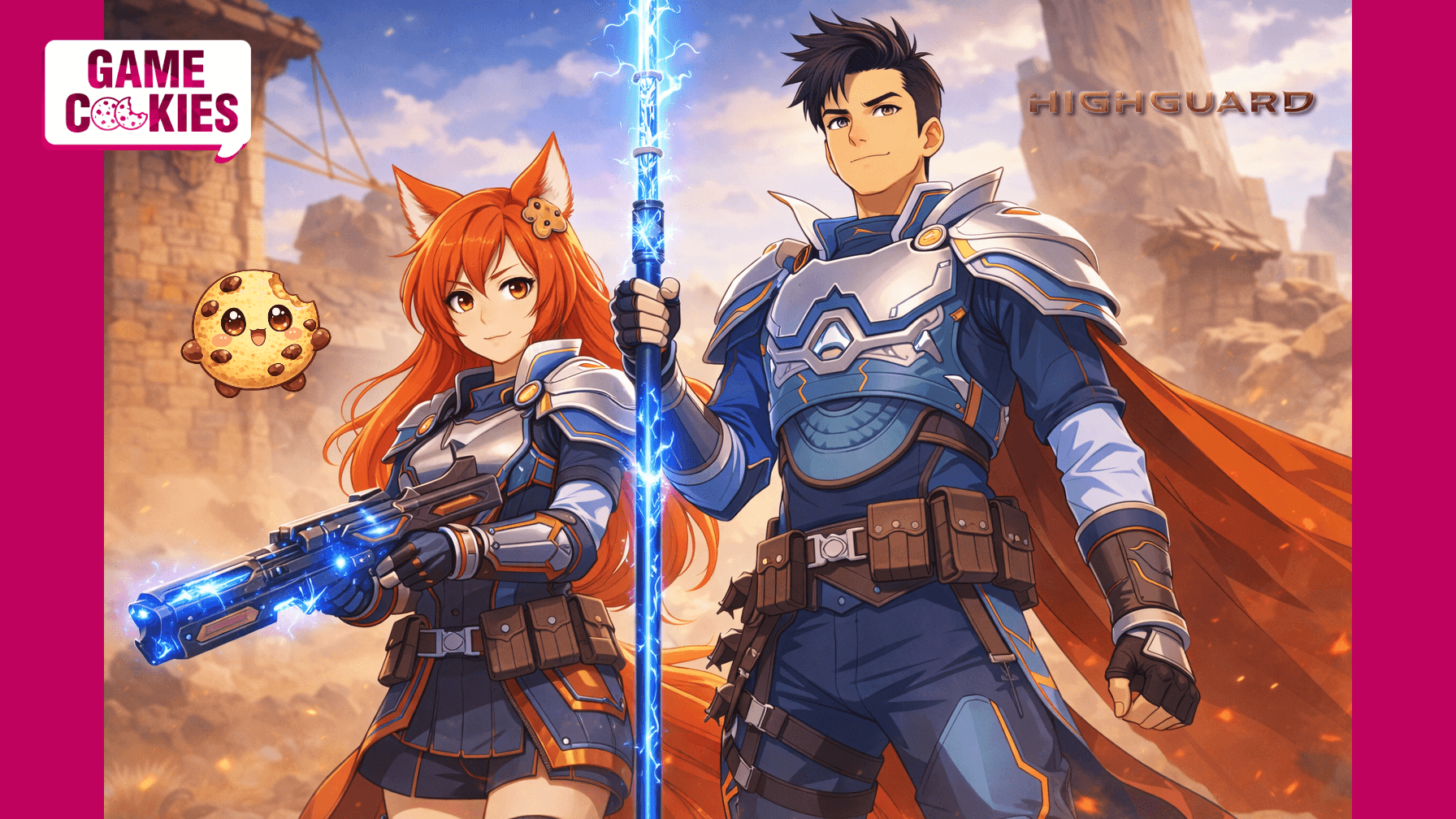
Highguard is a free-to-play PvP raid shooter developed by Wildlight Entertainment, a remote-first studio founded in February 2023 by former Respawn Entertainment developers with experience on Apex Legends, Titanfall, and Call of Duty.
Players become Wardens, arcane gunslingers riding mounts, capturing objectives like the Shieldbreaker, and raiding enemy bases across a mythical continent. The game is scheduled to launch January 26, 2026 on PS5, Xbox Series X|S, and PC, with cross-play and a free-to-download model.
The Game Awards presentation claimed the studio was founded by 61 developers from Apex and Titanfall. Wildlight’s own site suggests a team size closer to or above 100.
🦊 Kiki Commentary I have worked around enough studios to know how much weight those pedigree claims carry. When you say “Respawn veterans,” people immediately start filling in the gaps themselves. They imagine movement tech, character identity, and polish that might not even belong to the project you are making now.
That is not fair to Wildlight, but it is predictable. Credentials raise expectations faster than trailers do. Once you lean on them publicly, you do not get to control what people project onto your game anymore.
🍪 Chip quietly spins in place, holding a tiny resume stamped “Expectations.”
The Game Awards Finale Effect
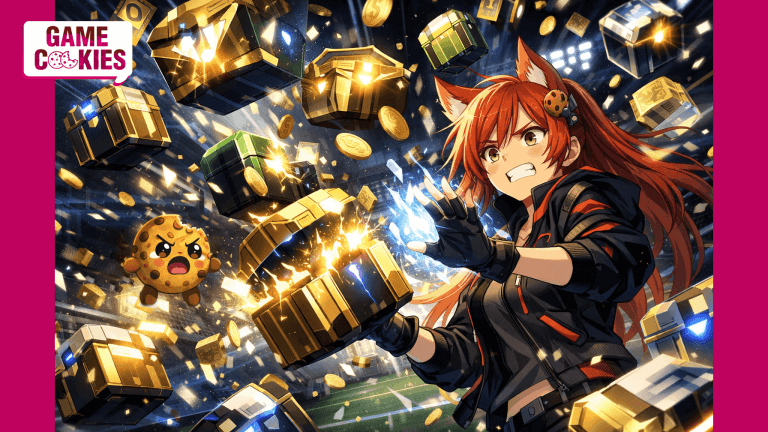
At The Game Awards 2025, Geoff Keighley framed Highguard as something special. Not a teaser. Not a distant promise. A game deep into development from an independent studio proving the strength of veteran teams.
He positioned it as the final world premiere of the night. Historically, that slot is reserved for reveals with gravity. Past closers include Monster Hunter Wilds and Intergalactic: The Heretic Prophet.
Highguard followed them.
The trailer promised an “all-new breed of shooter,” then showed a stylized hero shooter with mounts, arcane weapons, and characters many viewers found generic.
🦊 Kiki Commentary Closing a show like this is not neutral. It is a statement. You are telling the audience, “End your night on this.”
If the reveal feels smaller than the slot, people do not just shrug. They feel misled. And once that emotion kicks in, every flaw becomes louder than it deserves to be.
This is not about taste. It is about scale. Highguard was framed as a moment when it was really an introduction.
🍪 Chip looks at the stage lights, then shields his eyes.
The Numbers Told the Story
The backlash was immediate and measurable.
On The Game Awards’ official upload, the trailer reached roughly 5,400 dislikes versus 652 likes. IGN’s re-upload fared worse, with around 16,000 dislikes to 2,200 likes. PC Gamer noted similar ratios shortly after launch. Combined views across major outlets struggled to reach 300,000.
For a Game Awards closer, that is unusually low.
Outlets noticed quickly. Forbes called the reception poor and warned that negative buzz would make a free-to-play launch difficult. PC Gamer criticized the lack of standout elements and character personality. The Gamer reported that some viewers initially thought the reveal was for something else and felt disappointed by the mismatch.
🦊 Kiki Commentary This is the part people like to dismiss as “toxic gamers,” but numbers like this do not come from nowhere. Dislikes at this scale usually mean one thing. Expectations were set incorrectly.
People were not rejecting the idea of Highguard. They were reacting to the feeling that the show promised them something bigger than what they got.
That is a marketing failure, not a design one.
🍪 Chip taps the dislike button, then freezes mid-tap.
The “Concord 2.0” Label
Things escalated when players began comparing Highguard to Concord, Sony’s failed hero shooter. The comparison stuck harder when it emerged that several former Concord developers now work at Wildlight Entertainment.
Given Concord’s reputation, this association added fuel to an already hostile conversation. It did not help that hero shooter fatigue is real. Multiple outlets noted that audiences are increasingly skeptical unless characters are instantly distinctive.
🦊 Kiki Commentary Once a game gets labeled as “the next Concord,” it stops being judged on its own merits. It becomes a symbol of everything people are tired of.
That is not fair, but it is how online discourse works. The internet loves shorthand. And Concord became shorthand for wasted potential, not because it failed quietly, but because it failed publicly.
Highguard walked straight into that shadow without meaning to.
🍪 Chip hides behind a cardboard hero icon.
The Silence After the Reveal
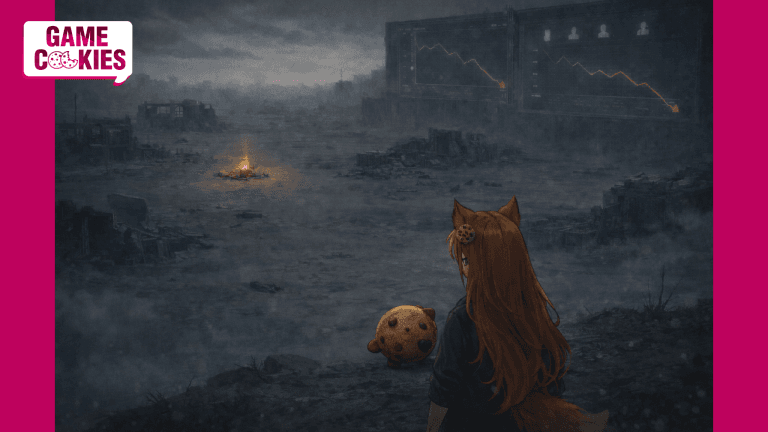
After December 12, Wildlight went quiet. No follow-up trailers. No breakdowns. No store pages. No creator previews.
By early January, outlets like Push Square and Too Much Gaming questioned whether the game would even release on schedule. For a free-to-play title launching in weeks, this level of silence was unusual.
Some argued it was a deliberate strategy. TheGamer suggested that silence could prevent further backlash and even replicate Apex Legends’ shadow-drop success.
Others saw it as a red flag.
🦊 Kiki Commentary Silence only works when people are curious. When they are already suspicious, silence feels like avoidance.
Apex launched into a vacuum. Highguard launched into criticism. Those are completely different environments. One rewards mystery. The other demands reassurance.
Even if the game is solid, this gap allowed doubt to grow unchecked.
🍪 Chip refreshes a dead social feed.
The Finale Slot Rumor
In mid-January, Paul Tassi reported that Highguard did not pay for the Game Awards finale slot. According to two sources, Geoff Keighley liked the game and offered the placement. No money changed hands.
This corrected the assumption that Wildlight spent heavily on the slot, but it created new questions. Why give such a high-profile position to a relatively unknown game? Did another closer drop out?
Tassi defended Keighley, calling the decision generous rather than malicious, while noting that Wildlight still chose to accept the slot.
🦊 Kiki Commentary Whether the slot was paid or free almost does not matter. The risk profile stays the same.
Closing The Game Awards is not a favor. It is pressure. You either dominate the conversation or become the lightning rod for everything people are already frustrated with.
Wildlight probably thought the upside outweighed the downside. I cannot blame them. But this is what happens when goodwill turns into scrutiny overnight.
🍪 Chip drops a spotlight straight onto the stage.
Where Highguard Stands Now
As of January 19, Highguard is still scheduled to launch January 26. Forbes reports that a preview event has taken place, with coverage expected shortly before release.
Wildlight has not commented publicly on the backlash, the rumors, or the marketing silence.
The game now carries visibility. Whether that visibility converts into curiosity or avoidance remains unknown.
🦊 Kiki Commentary This is the quietest moment before the real judgment. Once players get their hands on the game, discourse will either reset or harden permanently.
At that point, no amount of awards placement or internet arguing will matter. Only the experience will.
But the lesson here sticks regardless of outcome.
🍪 Chip crosses his fingers, crumbs shaking.
Closing
Highguard’s controversy is not about one trailer or one decision. It is about how marketing context can overwhelm a game before it launches.
Where you show your game can matter more than what you show. And once expectations are inflated, you cannot quietly deflate them again.
Highguard might still find its audience. But its launch already shows how fragile hype has become, and how little room there is for error when the spotlight hits too early.
Stay grounded, inspired by The Game Awards finale effect. When the spotlight gets bigger than the game itself, expectations will fill the gap whether you want them to or not.
Keep perspective, inspired by Highguard’s reveal and the reaction that followed. A trailer is not a verdict, and early discourse says more about timing and framing than about the experience players will actually have.
And remember, hype is not neutral. Where and how you show a game can define its story long before anyone presses start.
🦊 Kiki · 🍪 Chip · ⭐ Byte · 🦁 Leo
Share if you likes the article 🙂