
🍪 Game Prices Are Falling, And Players Are Making the Call

Hello there, wallet-watchers and deal hunters. For years, the industry told us to brace for $70, then $80 games as the new normal. Inflation. Budgets. “That’s just how it is now.” But something inconvenient happened.
Players didn’t agree.
Quietly, consistently, and without hashtags or protests, they voted with their wallets. And the data now shows it.
The $80 Ceiling Broke Faster Than Expected
Publishers tried to normalize $80 pricing this year. Microsoft flirted with it. Nintendo pushed it. The idea was simple. If players accept it once, it sticks.
It didn’t.
Preorders didn’t show up. Messaging softened. Pricing rolled back. The signal was clear. This wasn’t outrage culture. This was apathy. People just didn’t buy.
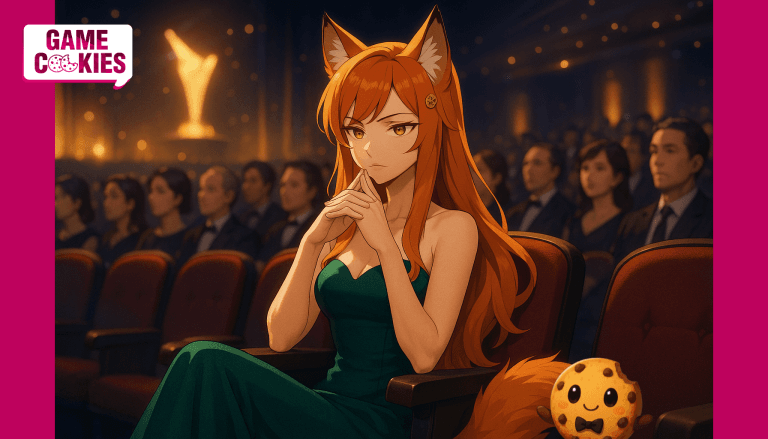
🦊 Kiki: This is the part publishers hate most. Players didn’t complain loudly. They just moved on. No drama. No movement. Just silence at checkout. That’s worse than backlash.
🍪 Chip quietly flips a price tag from $79.99 to $19.99 and nods.
Steam Tells the Real Story
When you look at what people are actually buying on Valve corporation Steam, the story gets sharper.
Median prices for top-selling new games have dropped hard since 2023. Many bestsellers now land between $10 and $20. The average keeps sliding down, even as inflation goes the other way.
This isn’t about what’s offered. It’s about what’s chosen.
🦊 Kiki: Steam players aren’t cheap. They’re selective. A $20 game feels like curiosity. A $70 game feels like a commitment. Most people don’t want commitments anymore.
🍪 Chip stacks four indie games in a cart and pushes away one giant deluxe edition box.
Fewer Games Bought, Even When They’re Cheaper
Here’s the uncomfortable part.
Even as prices drop, most players still don’t buy many games. A huge chunk of the market buys one or two games a year, if that. Some buy none.
The idea that cheaper games automatically mean more purchases is only half true. Lower prices widen the door, but people still walk through slowly.
🦊 Kiki: This explains why studios panic. You’re not fighting price resistance alone. You’re fighting attention, time, subscriptions, and comfort games people already live in.
🍪 Chip curls up next to a familiar game icon and refuses to move.
Subscriptions Are Filling the Gap
Spending on premium games is down. Subscriptions are up. That’s not coincidence.
Game Pass, PlayStation Plus, and similar models thrive because they reduce risk. Players don’t feel burned trying something new. But they also don’t feel ownership.
This props up spending numbers while quietly hollowing out full-price launches.
🦊 Kiki: Subscriptions are the safety net, not the solution. They keep players paying, but they train them to wait, sample, and move on.
🍪 Chip taps a “Cancel Subscription” button, then hesitates.
The Market Is Splitting
Here’s the pattern forming underneath everything.
High-income players still buy premium releases day one. Collector editions. Deluxe upgrades. No hesitation. Everyone else waits. Discounts. Bundles. Sales. Or skips entirely.
The industry keeps talking to the top slice while the middle quietly shrinks.
🦊 Kiki: This is how you end up designing games for whales and wondering why everyone else feels ignored.
🍪 Chip looks up at a luxury edition floating far out of reach.
What This Means Going Forward
Cheaper games aren’t killing the industry. They’re revealing it.
Studios that scope smarter, price lower, and respect player hesitation are finding success. Others are learning that prestige pricing without prestige trust doesn’t work.
The audience didn’t disappear. It just became cautious.
🦊 Kiki: If your game can’t convince someone at $25, it won’t magically convince them at $80.
🍪 Chip drops a coin into a modestly priced game and smiles.
Stay realistic like Steam’s price curves.
Keep listening like players expect publishers to.
And remember — the loudest feedback isn’t on social media. It’s at checkout.
🦁 Leo