🍪 Dispatch Didn’t Just Hit 3 Million Players. It Accidentally Proved We Were Never Done With Story Games.

Hello there heroes stuck behind desks, narrative degenerates, and people who swear they do not care about dialogue choices but somehow still argue about them online.
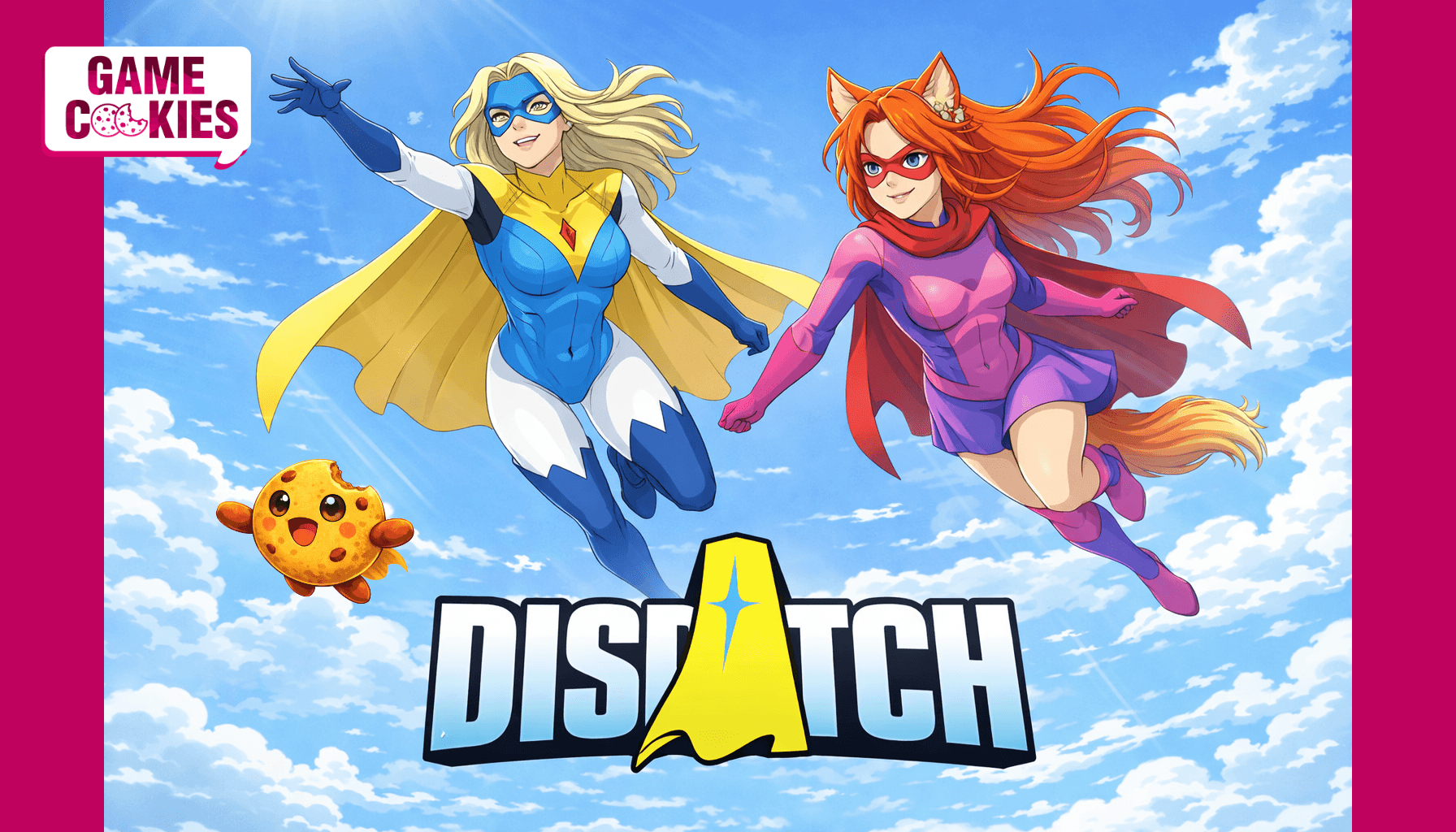
AdHoc Studio Dispatch hitting three million players feels wrong in the best possible way. Not because it is bad, but because everything about the last few years told us this kind of game was supposed to be dead. Episodic storytelling was “over.” Narrative heavy games were “niche.” If it did not have infinite progression hooks, it was apparently doomed.
And yet Dispatch exists. Thriving. Being talked about like it actually matters.
You Cannot Talk About Dispatch Without Talking About Telltale
If you played games in the early 2010s, you already know this story. Telltale was not niche. It was everywhere. People who barely played games knew The Walking Dead. Those games were not about mechanics. They were about tension, characters, and emotional damage.
Then the collapse happened, and it did not feel normal.
🦊 Kiki: I still remember playing The Walking Dead season one back when the series was not garbage and not milked to death yet. Everyone played it. Everyone talked about it. When the shutdown news dropped, it was a full shock online. Regular players were genuinely sad, not just industry people. There was so much love from the community toward Telltale and it did not matter at all. As always, corporate decisions met their demise, and later everyone pretended players were the ones who moved on.
🍪 Chip scrolls through old forum posts full of thank you messages and quietly locks the phone.
Dispatch exists because someone remembered this moment correctly.
Dispatch Did Not Save the Genre. It Just Stopped Doing Dumb Stuff.
Dispatch does not feel like a comeback tour. It feels like a correction.
It does not chase a massive license. It does not promise ten seasons before season one is even finished. It does not pretend every choice rewrites reality.
🦊 Kiki: Playing Dispatch, I never got that feeling where a game is sweating through the screen trying to justify itself. You know the vibe, every system screaming “please engage” or “please stay.” Dispatch does not do that. It feels calm, almost stubbornly confident, like the devs trusted the writing and stopped there. That confidence is rare now, and once you feel it, it is hard to unsee in other games.
🍪 Chip points at a whiteboard labeled “ENGAGEMENT STRATEGY,” now completely erased.
What Dispatch Actually Is, Because People Still Undersell It
Dispatch is not just a story game and it is not just a management game. It is the tension between the two.
On one side, you have dialogue heavy narrative where tone and memory matter more than branching timelines. On the other, you are dispatching reformed villains to emergencies across the city, juggling stats, personalities, cooldowns, and pure chaos.
🦊 Kiki: I went in fully expecting the dispatch map to be fake depth. Like “oh cute, a little mini-game.” Ten minutes later I was stressed out, hovering over icons, second guessing myself, yelling because I sent the wrong idiot to the wrong fire. That is when it clicked. This is not busywork. This is pressure with context, and it hits harder because these are characters you already messed up with in conversations earlier.
🍪 Chip stares at a city map that is entirely red and slowly nods.
Why Weekly Episodes Somehow Worked Again
Weekly episodic releases should not work anymore. On paper, it is a terrible idea.
We are post-pandemic. Everyone is burned out. We binge entire seasons in one night because content never stops and waiting feels illegal.
And yet Dispatch made it work.
🦊 Kiki: I am absolutely not a weekly episodic person anymore. I want everything now, all at once, straight into my eyeballs. I thought the format would annoy me. But after a couple of episodes, I realized I was thinking about it during the week. About choices, about characters, about what I should do next. That basically never happens anymore. Only mid stories need to dump everything at once. The ones that drip feed can do it because the writing actually holds up, and Dispatch earned that right.
🍪 Chip tries to binge anyway, falls asleep, wakes up confused, and accepts defeat.
The Radical Move of Actually Ending
This might be the boldest thing Dispatch did.
It ends. There is a finale. Closure. A sense of being done.
🦊 Kiki: When it ended, I did not feel robbed or empty. I did not feel like something was missing. I felt finished, which sounds basic but is almost extinct now. Everything else is terrified of stopping. Dispatch just stops and trusts that you will sit with it instead of dangling another roadmap in your face.
🍪 Chip holds a “Season 2?” sign, hesitates, then slowly lowers it.
What Dispatch Actually Proves
Dispatch did not revive narrative games.
It exposed how wrong the industry narrative was.
Players never stopped caring about story. They stopped trusting studios that treated story like disposable content.
🦊 Kiki: This is not a miracle or lightning in a bottle. It is what happens when you stop disrespecting your own writing. If you treat story like craft instead of filler, players notice. Turns out that was never complicated, just inconvenient.
🍪 Chip drops the mic, panics, picks it back up, and dusts it off.
Stay deliberate like a studio that knows when to stop.
Keep trusting stories like players who never stopped caring.
And remember narrative games did not die. We were just gaslit about it.
🦊 Kiki · 🍪 Chip · ⭐ Byte · 🦁 Leo
Send us a message here!